
100 Free Spins No Deposit Australia: The Offer, the Cost, and the Offshore Reality
The phrase “100 free spins no deposit” travels a long way in Australian search results. It also stops being true at the second word. A spin is free; the money it might produce is not. The “no deposit” promise is real only in the narrow sense that no cash leaves your account before the offer starts — every dollar the offer can ever pay is then routed through a multiplier, a game restriction, a cap and a clock. Most of it never reaches a bank.

What this page is, and is not: a guide to which operator to trust with your money is not what you are about to read. The ten casinos ranked below all sit outside Australian law, none of them can hold an Australian casino licence, and the Interactive Gambling Act 2001 makes providing what they sell a criminal offence. What the page is, is a working description of what these offers are worth in dollar terms, which terms decide the outcome, and which operator among the set carries the most (or least) of the risk a player accepts the moment they sign up.
Verified as of 13 September 2026 against the ACMA’s published enforcement data, the Department of Infrastructure’s IGA guidance and the operator terms published on each casino’s own site.
Table of Contents
- Why a “Free” 100-Spin Offer Costs More Than You Think
- The Real Value of a 100 Free Spins No Deposit Bonus in 2026
- The Pokies Your 100 Free Spins Will Actually Play
- What 10 Popular Casino Sites Actually Offer Australian Players in 2026
- New Casinos Using 100 Free Spins as Bait in 2026
- Claiming 100 Free Spins on Mobile: What Australian Players Need to Know
- Is It Legal to Claim 100 Free Spins in Australia?
- Staying Safe: Responsible Gambling for Australian Players
- How We Selected and Evaluated These Casinos
- What You Should Actually Do About 100 Free Spins Offers
- Frequently Asked Questions
Why a “Free” 100-Spin Offer Costs More Than You Think
What “100 free spins no deposit” actually means
A 100 free spins no deposit offer is, in plain language, an offshore casino crediting one hundred rounds on a named pokie to a new account, with no cash required up front. The catch is structural, not hidden in fine print: 100 spins at A$0.10 each is a ten-dollar proposition wearing a hundred-dollar costume. The spin value is rarely higher than A$0.25, and the casino sets it — A$0.10 to A$0.25 per spin is the band these offers actually occupy. The “100” describes a count; the dollar value is a tenth of that or less.
The “no deposit” part holds for the initial claim: no cash leaves the player’s account before the spins credit. After that, the term does almost no further work. The winnings from those spins land in a bonus balance, not a cash balance, and unlocking them means satisfying a wagering requirement — typically twenty-five to sixty times the winnings — inside a one-to-seven-day window, on a single named pokie, with a maximum cashout of A$50 to A$200 capping what survives.
The whole category exists because Australia does not allow it. The Interactive Gambling Act 2001 prohibits the provision of online casino games — including online pokies — to a person in Australia, and no licence for such a service exists anywhere in the country. Every “100 free spins no deposit” offer an Australian search engine returns is hosted by an offshore operator breaking Australian law, and the Australian Communications and Media Authority has been systematically blocking those sites: 1,564 illegal gambling and affiliate websites have been referred to Australian ISPs since November 2019. The offer is real; the operator has no business being in your market, and the page you are reading is the third-party description of a transaction the Australian government has tried to make un-clickable.
No-deposit spins versus deposit spins: what you give up for “free”
A no-deposit free spin offer is a more restrictive version of the same product the same casino sells with a deposit attached. The headline numbers move against the player: no-deposit wins are usually capped between A$50 and A$200, where deposit-triggered packages can carry cashout limits ten times higher. The clock compresses. No-deposit spin batches typically expire within 24 to 72 hours, and the wagering window that follows is rarely longer than a week. A deposit-linked welcome package gives the casino time to spread a bonus across multiple deposits and multiple weeks of gameplay — the player gets more room, the casino gets more touchpoints, and the regulator gets a longer paper trail of normal wagering activity.
The asymmetry the player is paying for is verification. No-deposit offers are the casino’s way of harvesting KYC data — name, address, date of birth, phone, often a photo ID — from people who have not yet spent a cent. The data is worth real money in itself: in jurisdictions where online casino is legal, the cost of acquiring a verified, depositing customer runs into hundreds of dollars. The spin offer is the loss-leader on that acquisition. A player who claims a no-deposit offer and walks away is, from the operator’s perspective, a verified profile sitting in a CRM; a player who then makes a small deposit is a customer with a one-in-three chance of returning. The structural trade is verification in exchange for a capped, time-limited bet on a game the casino has chosen.
The comparison the marketing copy avoids is the one research bears out: a 100-spin offer with 30x wagering and a A$100 cashout cap outranks a 150-spin offer with 50x wagering and a A$50 cap, because the lower-wagering, higher-cap offer is the only one with a realistic chance of producing a withdrawable amount. The spin count is a headline; the multiplier and the cap are the offer.
The Real Value of a 100 Free Spins No Deposit Bonus in 2026
What “no deposit” really requires
“No deposit” is the label on the door; the price is on the inside. The Australian player who claims a no-deposit spin offer will, before any withdrawal, hand over the same identity documents an Australian bank would demand to open a savings account: government-issued ID, proof of address, and in many cases a selfie or a live-chat verification. The casino does not pay for the spin in cash; it pays in information, and it gates the winnings behind the same checks a deposit would have triggered anyway. What “no deposit” really buys is the right to start the verification process without first paying to enter it.
The honest description of an offer matters here. Two of the ten operators ranked later carry genuinely deposit-free bonuses. Royal Reels credits a A$10 chip to a new account with no cash in and no review submission — the player registers, the chip lands. Fair Go runs an A$15 free chip that is also genuinely deposit-free, with a 60x wagering requirement and a A$180 max cashout. Both are chip-based, not spin-based, and both sit outside the “100 free spins” headline.
The other end of the scale is Rocket Play. Its 20 no-deposit free spins on Book of Pyramids require the player to submit a verified third-party review — a Trustpilot-style write-up — and to confirm it through a live-chat interaction with the operator. The spin is not blocked behind a cash deposit, but it is blocked behind a piece of marketing labour the casino will use to attract the next player. Calling that “no deposit” is true in the literal sense; calling it “free” requires ignoring the trade.
Sign-up spins, bonus codes and the claiming dance
The path from a Google result to a credited spin balance runs through five steps, and the failure rate at each one is non-trivial.
- The player arrives at the casino’s landing page from an affiliate link, search result or a banner ad. The page is built to load fast on a phone and to make the bonus the first thing the eye lands on. The full terms are at the bottom of the page, in a footer link, in a colour close to the background.
- Account creation requires an email address, a password, a mobile number and the player’s full name as it appears on a government ID. Some operators — Rocket Play among them — require a third-party review submission before the offer credits, in which case a Trustpilot or equivalent account is also a precondition.
- A bonus code field appears on the registration form or in the cashier section, depending on the operator. Not every no-deposit offer needs a code; some auto-credit, some require a code typed at sign-up, some require a code activated through live chat. Where research carried no specific code this run, none is printed here — codes and voucher tokens are not transcribed on this page.
- Verification — phone or email confirmation — usually happens within minutes, but full KYC (the document upload that any withdrawal will eventually require) is held back until the player tries to cash out. The casino knows the verification gate is the leverage; it deploys it late.
- The spins credit either in a single batch or in daily instalments. Rocket Play credits 20 spins immediately and the remaining 80 across four daily batches of 20, so the full 100 are not available on day one. The clock on the 24-to-72-hour expiry starts when the first batch lands.
The moment the first spin batch credits, the wagering window opens. Codes and bonus offers typically expire 24 to 72 hours after credit if unused, and the wagering requirement that converts bonus money to withdrawable cash gives one to seven days from that point. The two clocks run in parallel, and missing either one of them means the winnings — whatever the slots returned — are forfeited.
From spin winnings to withdrawable cash
Three filters sit between a spin result and a bank withdrawal, and they are applied in a fixed order. Understanding the order is the difference between a player who treats the offer as a free lottery ticket and a player who treats it as a small, conditional bet on a game the casino has chosen.
The first filter is the bonus balance itself. Winnings from free spins do not land in the player’s real-money balance. They land in a separate bonus balance, and only a portion of the bonus balance becomes withdrawable once wagering is satisfied. Game contribution rates determine how fast the bonus balance converts: pokies typically contribute 100% toward wagering, table games like blackjack often contribute 5% or nothing. A player who has the choice will play the highest-contributing eligible game; a player on a free-spin offer usually has no choice at all, because the offer is locked to a single named pokie.
The second filter is the wagering multiplier. A typical 35x wagering requirement on a A$100 win means A$3,500 in turnover before any of the winnings become cash. At 40x on a A$20 win, the player has to put A$800 in bets through the machine before a single dollar is theirs. The expected cost of that turnover is the offer’s real price — and that expected cost is the calculation this page runs later, in the section on what the bonus actually costs.
The third filter is the max cashout cap. Rocket Play’s no-deposit offer caps withdrawable winnings at approximately A$85; Fair Go’s A$15 free chip caps at A$180; Rocket Casino’s free-spin winnings cap at A$300, the highest confirmed in the set. A player who wins A$2,000 on a pokie tied to a A$85 cap and clears the wagering requirement takes home A$85, and the rest is voided. The cap is the filter that turns a lucky spin into a defined-amount payout, and the operator sets it before the player ever spins.
Wagering requirements: the multiplier that eats your winnings
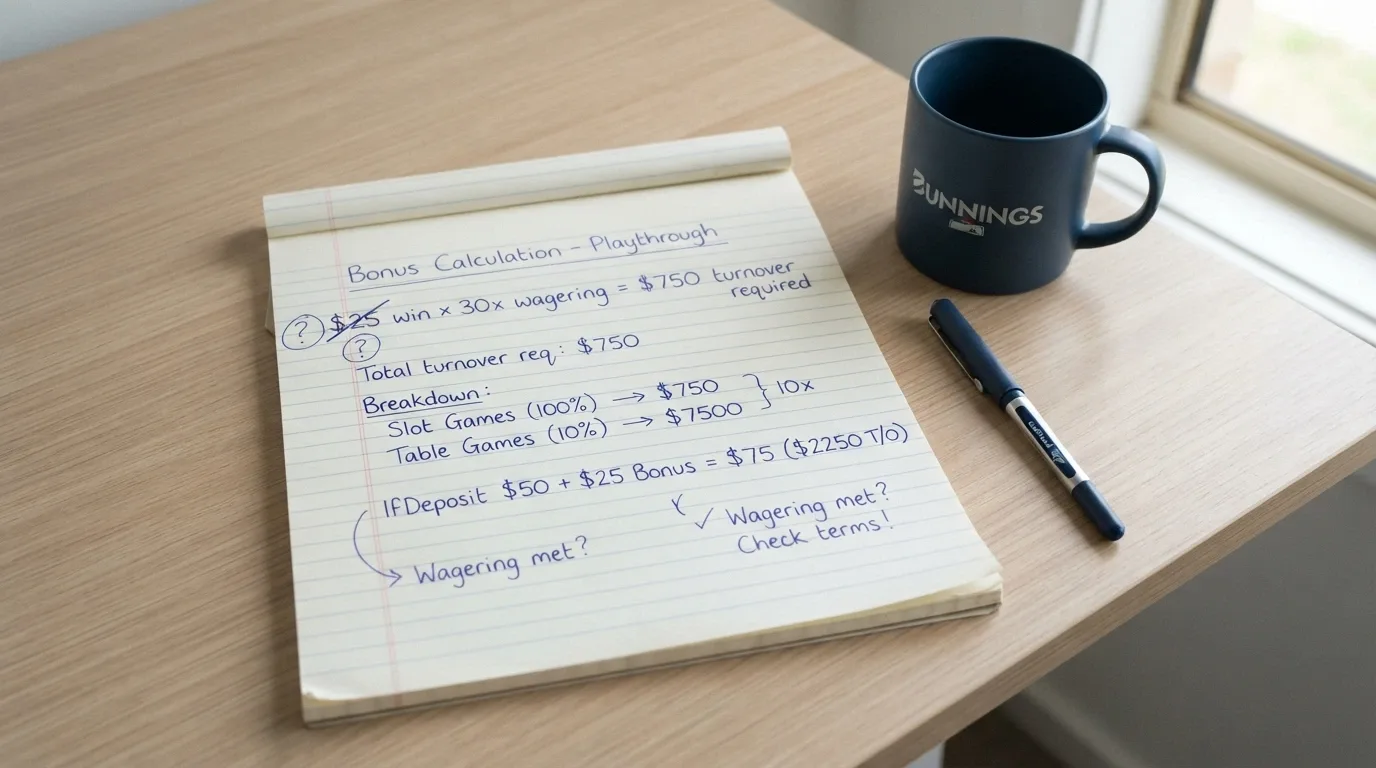
Wagering requirements are the single most expensive term on the page, and the one the marketing copy spends the least time on. A wagering requirement of 30x on a A$25 win means the player must turn over A$750 in eligible bets before a single dollar of those winnings becomes withdrawable. The formula is simple and unsentimental: winnings multiplied by the wagering multiple equals the total amount the player must bet. At 35x on a A$100 win, that is A$3,500; at 40x on a A$20 win, that is A$800 in bets required before any cashout.
What the multiplier costs the player depends on the game the requirement is being cleared on. Pokies contribute 100% of every bet toward the requirement, and they typically return 94% to 97% of the money wagered as winnings over the long run. Table games like blackjack often contribute only 5%, or are excluded entirely, which means a player using them clears the requirement twenty times slower per dollar bet. A pokie requirement is cleared in a known, finite amount of play; a blackjack requirement is cleared at a pace that can blow past the 1-to-7-day expiry window before the player is halfway through.
The Starburst example makes the math concrete. Starburst returns 96.09% of wagered money over the long run, which means a player clearing a A$750 turnover requirement loses, on average, about A$29.50 of it to the house edge before the requirement is met. The A$25 the player started with has, in expectation, become negative A$4.50 by the time wagering is cleared, and any subsequent play erodes the bankroll further. This is why a 30x wagering requirement is a much harsher offer than the “30” number alone suggests: the requirement is not a hurdle the player jumps over, it is a volume of play the player pays for at the house edge.
No-wagering spins in Australia: the near-myth
The phrase “no wagering free spins” appears in almost every search result adjacent to this topic, and almost no offer delivers it. A genuinely no-wagering spin is one where the winnings land in cash, instantly withdrawable, with no multiplier and no game restriction. In a regulated market such an offer exists — small-stake, low-prominence, used by licensed bookmakers to win a few minutes of player attention. In the offshore market that targets Australian players, it is essentially absent from the no-deposit tier. Research for this page did not turn up a single no-deposit, no-wagering spin offer from an offshore casino in the Australian-facing set.
The reason is structural. A no-wagering offer hands the player an expected value the operator cannot recover. On a typical 30x wagering requirement, the operator’s house edge is multiplied by thirty across the required turnover — the casino collects its percentage of A$750 in bets, not of the original A$25. Strip the wagering requirement out and the operator’s expected take collapses to the single A$25 bet, which is not a sustainable acquisition loss. The no-wagering offer exists where the operator has other ways to monetise the player (a deposit that follows, a game the player now favours) — in the no-deposit tier, the operator is paying for the verification, and the wagering requirement is the price of admission. The marketing claim of “no wagering” on a no-deposit offer is, with very few exceptions, a misdescription of a lower wagering multiple or a cashout cap, not an honest statement of the offer.
The honest framing for a player is the comparison rule research bears out: a 100-spin offer with 30x wagering and a A$100 cashout cap is a better proposition than a 150-spin offer with 50x wagering and a A$50 cap, because the first one has a realistic shot at producing a withdrawable amount and the second does not. The wagering multiple and the cashout cap are the offer; the spin count is the costume.
Crypto casinos and their 100 free spins offers
The fastest-growing segment of the no-deposit spin market targeting Australian players is the crypto casino — platforms that take Bitcoin, Ethereum and stablecoin deposits, settle withdrawals in the same, and operate outside the conventional banking system entirely. Rainbet, Stake and several others sit in this category. The pitch is speed and anonymity: deposits clear in minutes, withdrawals in hours, and the bank is never the intermediary.
The pitch is also the legal signal. Since 11 June 2024, credit cards, credit-related products and digital currency have been banned as payment for online wagering in Australia, under the Interactive Gambling Amendment (Credit and Other Measures) Act 2023. An Australian-licensed wagering operator cannot lawfully accept a crypto deposit. A casino that does accept one is, by definition, outside the Australian licensing regime, and the protections that licensing provides do not apply. The crypto deposit is not a feature; it is a sign on the door that the operator does not hold an Australian licence and is not subject to Australian rules.
Rainbet is the clearest example. Its welcome package — 250% up to A$2,100 plus 60 free spins across three deposits — is deposit-gated (a minimum A$30 per tier), and the free spins are locked to Sweet Bonanza, the Pragmatic Play title with a 96.48% RTP and a medium-to-high volatility profile. The wagering requirement is 40x on the combined deposit and bonus, and the operator excludes any slot with an RTP above 97.4% while the promotion is active, a clause that quietly removes the highest-returning games from the player’s option set. The 60 free spins are an attachment to a real-money deposit, not a no-deposit offer. Stake, the largest crypto casino by Australian traffic at 1.28% market share, runs a similar model with a Curaçao licence and no BetStop coverage, and the specifics of its welcome bonus were not confirmed in the research for this page.
The crypto path is the path of least recourse. No bank to escalate to, no ACMA complaints body, no Australian court to apply for enforcement, and no BetStop to block the account if the player later realises they should not be playing at all. The friction that the licensed wagering market adds — the kind that lets a player set a deposit limit, take a break, or self-exclude — is precisely what an offshore crypto casino exists to avoid. Speed is what the player is buying; safety is what the player is selling.
What the bonus actually costs: the expected-loss calculation
The arithmetic behind any no-deposit spin offer is short and dispiriting. Take a representative scenario: 100 free spins at A$0.10 each, played on Starburst (RTP 96.09%), with a 30x wagering requirement on the winnings and a A$100 max cashout. The player’s expected journey looks like this.
The 100 spins return, in expectation, 100 × A$0.10 × 96.09% = A$9.61 in gross winnings. The wagering requirement at 30x means the player must turn over 30 × A$9.61 = A$288.30 in eligible bets before the bonus balance converts to cash. At Starburst’s 96.09% RTP, the expected loss on that A$288.30 of turnover is A$288.30 × (1 − 0.9609) = A$11.27. The A$9.61 of original winnings has, by the time wagering is cleared, become negative A$1.66 in expectation. Any subsequent play — and the casino typically requires the player to keep playing until the bonus balance is exhausted — erodes the position further.
The dollar figure the offer is “worth” is therefore not the headline A$10 (100 × A$0.10). It is the expected value to the player, which is negative before the spins are even played. A player who treats the offer as a free lottery ticket is paying roughly A$1.66 for a one-in-a-hundred chance of clearing wagering, finding a balance above the A$100 cap, and being allowed to withdraw. The vast majority of players walk away with nothing — the casino’s expected customer lifetime value, not the A$10 the banner promised, is the real product the offer is selling.
This is the cost structure every 100 free spins no deposit offer in the offshore market shares, regardless of operator. The spin value changes the gross winnings; the wagering multiplier changes the turnover; the pokie’s RTP changes the expected loss on that turnover. The shape is constant. The only variable is how much the player pays for the privilege of finding out whether the cap lets them keep anything.
The Pokies Your 100 Free Spins Will Actually Play
Pokies versus slots: what Australians call the games
The word on the page is “pokies”, and the search behaviour of Australian players agrees. “Pokies” is the everyday Australian term for slot machines, derived from “poker machines” and used the way the rest of the English-speaking world uses “slots”. The pokies-versus-slots distinction is not a style choice; it is the difference between a page an Australian reader finds in their own search and a page that sounds translated. A page that calls a slot a “slot” three times in the introduction has already lost the reader it was written for.
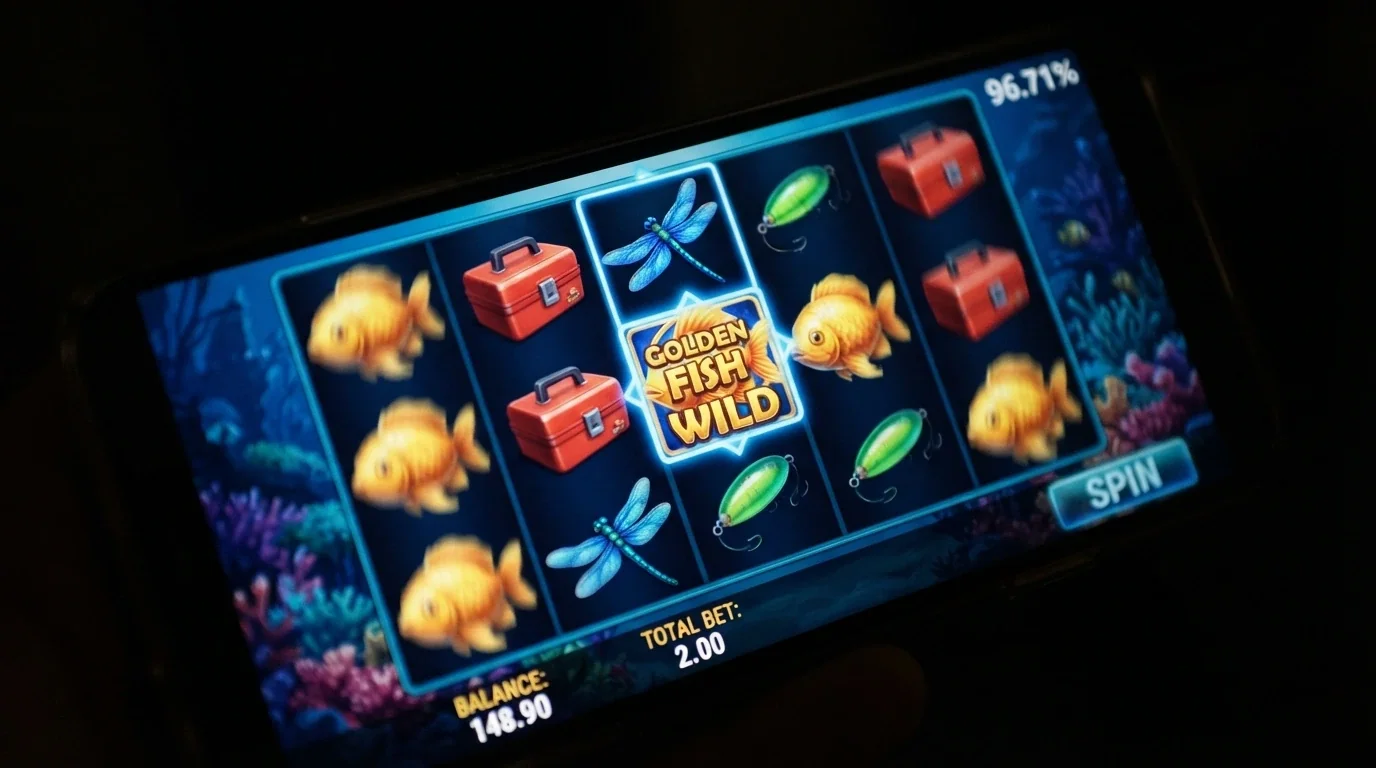
The two words are interchangeable in practice. Most of the offshore casinos reviewed below display “slots” in their navigation and “pokies” in their Australian-targeted marketing; the games are identical. A player searching “100 free spins pokies no deposit” and a player searching “100 free spins slots no deposit” are looking for the same offers, the same casinos and the same games. The page uses “pokies” as the primary term and “slots” where the original source uses it, because the native word is the one an Australian player typed into the search box.
Which games the spins are locked to
A no-deposit free spin offer is almost always locked to a single named pokie, and the name of that pokie is the most important number on the offer after the wagering multiple. A spin on a 96.71% RTP pokie returns about A$9.67 for every A$10 wagered over the long run; a spin on a 94% pokie returns A$9.40. Across 100 spins, the difference is roughly A$0.27 in expected return per dollar wagered, which compounds with the wagering requirement and the spin value into the offer’s overall expected value.
The five pokies that recur across AU-facing free-spin offers, with their confirmed RTPs, are Starburst (NetEnt, 96.09% RTP, low volatility), Book of Dead (Play’n GO, 96.21% RTP, high volatility), Sweet Bonanza (Pragmatic Play, 96.48–96.51% RTP, medium-to-high volatility), Big Bass Bonanza (Pragmatic Play / Reel Kingdom, 96.71% RTP, medium volatility) and Gates of Olympus (Pragmatic Play, 96.50% RTP, high volatility). The table below summarises the specifications research confirmed for each title.
| Slot Title | RTP | Provider | Volatility | Max Win |
|---|---|---|---|---|
| Starburst | 96.09% | NetEnt | Low | ~500x |
| Book of Dead | 96.21% | Play’n GO | High | ~5,000x |
| Sweet Bonanza | 96.48% | Pragmatic Play | Medium–High | 21,175x |
| Big Bass Bonanza | 96.71% | Pragmatic Play / Reel Kingdom | Medium | 2,100x |
| Gates of Olympus | 96.50% | Pragmatic Play | High | 5,000x |
What the table does not show is the practical difference between the volatility ratings. A high-volatility pokie like Book of Dead or Gates of Olympus pays out rarely, but pays more when it does; across 100 spins, the most likely outcome is a small win, and the chance of clearing a high wagering requirement on the back of one big hit is genuine but slim. A low-volatility pokie like Starburst pays out frequently and in small amounts, which is closer to what a player with a tight expiry window needs: a steady stream of small wins that keep the bonus balance moving toward the wagering target. Big Bass Bonanza sits in the middle — the highest RTP of the five, a medium volatility that is not as punishing as Book of Dead and not as flat as Starburst. Rainbet’s 60 free spins are locked to Sweet Bonanza, which is the most volatile of the five and the one most likely to produce a zero balance before the wagering requirement is anywhere near cleared.
The providers behind Australian-facing free-spin offers
The provider is a quieter signal than the RTP, but it carries information. Pragmatic Play is the dominant force in AU-facing free-spin promotions — three of the five pokies above are Pragmatic Play titles, and the operator’s full catalogue of high-volatility, high-max-win games has been pushed hard into the Australian affiliate market since 2020. Pragmatic Play is licensed by the Malta Gaming Authority and the United Kingdom Gambling Commission; its games are integrated by offshore platforms through a single API and licensed to them on a per-market basis. A Pragmatic Play pokie on an offshore casino is not a sign of regulation; it is a sign that the operator has paid for a content integration, which is the most common cost on the page.
NetEnt and Play’n GO fill the secondary positions. NetEnt’s Starburst is the long-running default of the no-deposit spin market, partly because its low volatility produces a steady stream of small wins (which keep the wagering requirement moving) and partly because NetEnt’s library is integrated into almost every offshore platform. Play’n GO’s Book of Dead is the high-volatility counterweight, the game an operator locks a spin offer to when it wants the marketing line of “win up to 5,000x your bet” to do the work.
The two AU-facing brand names that show up in the search pool — House of Pokies and PokéPlace — are not providers. They are casino brands running games from the providers above, and the research for this page did not confirm operator-specific terms for either. The provider name is the one with regulatory substance; the casino brand is the one with the marketing claim.
What 10 Popular Casino Sites Actually Offer Australian Players in 2026
The ten operators below are the offshore casinos most visible to Australian players searching for 100 free spins no deposit. Every one of them is offshore. None holds an Australian casino licence because no Australian casino licence exists — the Interactive Gambling Act 2001 makes the issuance of such a licence a contradiction in terms. The table summarises the confirmed terms, and the profiles below the table describe what each operator actually offers the Australian player, in what the operator’s own terms page says rather than in what the affiliate page headlines claim.

| Operator | Licence | Wagering on Winnings | Game Providers |
|---|---|---|---|
| Rocket Play | Curaçao | 30x–40x | Pragmatic Play, Evolution (3,000+ games) |
| Skycrown | Curaçao (Hollycorn N.V.) | 40x | Evolution Gaming, Pragmatic Play Live (300+ games) |
| Royal Reels | Curaçao | 30x–40x | Pragmatic Play, Evolution, Yggdrasil, Hacksaw (2,000+ games) |
| Fair Go | Curaçao | 30x (deposit) / 60x (no-deposit chip) | RTG single-provider (280 games) |
| Rainbet | Not confirmed | 40x | Pragmatic Play, others (crypto-first) |
| WinSpirit | Curaçao | 40x | Not confirmed in detail |
| Stake | Curaçao | Not confirmed | Not confirmed in detail |
| Scream Casino | Not confirmed | Not confirmed | Not confirmed |
| Bizzo Casino | Not confirmed | 40x | Multi-provider aggregator |
| Rocket Casino | Curaçao | 30x | Not confirmed in detail |
Rocket Play
Rocket Play is the highest-traffic AU-facing offshore casino in the research set, and its offer shape shows why. The headline 100 free spins are a deposit-triggered package: a first deposit of A$30 or more brings a 100% match up to A$1,000 plus 100 spins, credited as 20 spins immediately and 80 more across four daily batches of 20. The wagering requirement is 30x to 40x on the bonus, and the bonus validity is 14 days from activation.
The no-deposit offer is where Rocket Play differs from the headline. Twenty free spins on Book of Pyramids, with a 40x wagering requirement on the winnings and a max cashout of approximately A$85, are available — but only to a player who submits a verified third-party review (the kind posted to Trustpilot) and confirms the submission through a live-chat interaction with the operator. The spin is genuinely not blocked by a cash deposit, but it is blocked by a marketing task the casino will use to attract the next player.
The licence is Curaçao, the game library is 3,000+ titles from Pragmatic Play and Evolution, and the platform is built on the SOFTSWISS stack. The verdict: the deposit welcome is generous for an offshore operator but the terms are standard-aggressive; the no-deposit offer exists, but only for a player willing to do the operator’s marketing in exchange for a capped, wagered, time-limited bet. A player who already intends to deposit may as well take the 100-spin welcome. A player who is only claiming the no-deposit offer is doing the operator a favour.
Skycrown
Skycrown is a Hollycorn N.V. casino launched in 2022 with a Curaçao licence and a 300+ game library anchored on Evolution Gaming and Pragmatic Play Live. The welcome package is the largest in the set on paper: up to A$4,000 plus 350 free spins, spread across multiple deposits, with a 40x wagering requirement that applies to the bonus across the package. The live-casino focus is real — Skycrown is one of the few offshore platforms that integrates Evolution’s full live-dealer suite, which is the segment that has historically drawn Australian players to offshore sites.
What Skycrown does not have, in the research for this page, is a no-deposit free-spin offer. The 350 free spins in the welcome package are deposit-triggered, distributed across the deposit tiers, and a player who registers without depositing gets no spins to play. For the reader comparing no-deposit offers, Skycrown does not enter the calculation. For the reader comparing deposit-triggered welcome packages, Skycrown’s combination of size (A$4,000 + 350 spins) and live-casino depth is competitive within the offshore set, and the 40x wagering requirement is at the harsh end of the AU-facing market. A live-casino player who has decided to deposit anyway is the audience; a free-spin-only player is not.
Royal Reels
Royal Reels is one of the few operators in the set with a genuinely deposit-free offer, and the offer is a chip, not spins. The welcome bonus is 100% up to A$500 on a minimum A$30 deposit, with 30x to 40x wagering. The no-deposit bonus is A$10 credited to a new account on registration — no cash in, no review submission, no third-party verification beyond the basic KYC the operator will require at withdrawal.
The library is one of the larger ones in the set: 2,000+ games from 30+ providers, including Pragmatic Play, Evolution, Yggdrasil and Hacksaw Gaming. The Curaçao licence is the standard credential; what differentiates Royal Reels from a half-dozen similar operators is the combination of a multi-provider library and an honest no-deposit offer. The A$10 chip is small in absolute terms, but it is what it says it is: a free bet the player can use to test the platform before committing.
The verdict: Royal Reels is the cleanest no-deposit offer in the set for a player who wants to test an offshore casino without doing the operator’s marketing or making a deposit. The A$10 chip will not produce a life-changing withdrawal — the wagering requirement will eat most of it — but it is the only genuinely free entry in a market where most “free” offers are conditional.
Fair Go
Fair Go is the outlier in the set, and the difference is visible in the game library. Where every other operator in the ranking is a multi-provider aggregator running games from Pragmatic Play, Evolution and a dozen smaller studios, Fair Go is a single-provider casino running on Realtime Gaming (RTG). The full library is 280 games, which is small by the standards of the rest of the set, and the games are stylistically distinct from the NetEnt and Pragmatic Play titles that dominate the AU-facing market.
The no-deposit offer is an A$15 free chip with 60x wagering and a A$180 max cashout, and it is genuinely deposit-free. The welcome package for depositing players is 100% up to A$200 on each of the first five deposits (A$1,000 total), with 30x wagering on the combined deposit and bonus and no max cashout on the deposit bonus. The contrast within the same operator is sharp: the no-deposit chip is the most heavily restricted bonus in the set (60x wagering, A$180 cap), while the deposit welcome is among the most generous (no cashout cap on the bonus).
The A$180 max cashout on the no-deposit chip is the highest confirmed in the set, and the only one that approaches the kind of withdrawable amount a player might actually want to extract. The price is the 60x wagering requirement, which is the harshest in the ranking, and the single-provider game library, which is not to every player’s taste. A player who values the cashout ceiling above the time-to-clear will find Fair Go’s no-deposit chip interesting; a player who wants variety and a faster route through wagering will look elsewhere.
Rainbet
Rainbet is the clearest example in the set of the crypto casino model, and its welcome package is structured to make that obvious. The bonus is 250% up to A$2,100 plus 60 free spins, distributed across three deposits (A$30 minimum per tier), with 40x wagering on the combined deposit and bonus. The 60 spins — 20 per deposit — are locked to Sweet Bonanza, the Pragmatic Play pokie with a 96.48% RTP and a medium-to-high volatility profile.
Two clauses in the Rainbet terms carry more weight than the headline. First, the operator excludes any slot with an RTP above 97.4% while the promotion is active — the highest-returning games are quietly removed from the player’s option set for the duration of the bonus clearance. Second, the maximum bet is capped at 2% of the deposit amount, and certain Hacksaw and Nolimit slots are excluded entirely. The promotional structure is designed to keep the player’s money on the games the operator is most confident about, not on the games the player would choose.
Rainbet’s licence was not confirmed in the research for this page, which is itself a flag. A Curaçao credential is the most likely outcome for a crypto-first platform of this size, but unverified means unverified. For the Australian player comparing offers, Rainbet’s 60 spins on Sweet Bonanza are a deposit-gated package, not a no-deposit offer, and the wagering requirement sits in the harsh end of the market.
WinSpirit
WinSpirit runs a 200% welcome bonus plus 25 free spins, with 40x playthrough and an ongoing cashback offer on losses. The licence is Curaçao; the game-provider mix was not confirmed in the research for this page, and the specifics of the free-spin attachment (which pokie, what spin value, what max cashout) are similarly unconfirmed. The 25 free spins are deposit-triggered, not a no-deposit offer.
WinSpirit is the shortest profile in the ranking, and the reason is honest: the operator did not surface enough confirmed data this run to support a longer description. The 200% welcome is competitive on a percentage basis against the other deposit-triggered packages in the set, but the 40x wagering requirement and the 25-spin top-up (versus Rocket Play’s 100, Skycrown’s 350, Rainbet’s 60) put the headline below the more generous packages. A player seeking WinSpirit’s brand will find a standard offshore welcome; those comparing offers on the merits will find better terms elsewhere.
Stake
Stake is the largest crypto casino by Australian traffic in the research set, with a 1.28% AU market share and a Curaçao licence. It is also the operator on which the research for this page carried the least offer-specific data: the welcome bonus, the free-spin count, the wagering requirement and the bonus slot were all unconfirmed this run.
What is confirmed is the platform’s shape. Stake is crypto-native (Bitcoin, Ethereum, Litecoin and a dozen other coins), sports-betting-led (the platform’s primary product is its sportsbook, not its casino), and aimed at a player who values speed of deposit and withdrawal over the depth of any particular welcome package. The casino side of the platform is large and well-integrated with the sportsbook, and the AU market share makes it the highest-traffic crypto casino visible to Australian players.
The honest framing for the page’s reader is that Stake is a name in the market, not a confirmed offer. A player who is curious about the platform can register and look at the current promotion page; a player who is comparing specific free-spin offers cannot, on the data this run, put Stake’s number next to Rocket Play’s or Royal Reels’s. The platform’s size makes it likely that a promotion will exist, but the terms need to be checked at the time of registration, not assumed from a generic review.
Scream Casino
Scream Casino carries a 0.99% AU market share and an A$94.87M revenue figure in the operators data, which is a real presence in the offshore market. What the research for this page did not confirm is anything specific about the operator: the licence, the welcome bonus, the free-spin count, the wagering requirement, the max cashout, and the game-provider mix are all unconfirmed.
Scream is in the ranking because it is visible to Australian players searching for 100 free spins no deposit, and it has the revenue base to run a meaningful acquisition offer. The honest description is the one the research supports: it is a measurable presence in the offshore market, and the bonus terms that would let a player compare it to the rest of the set are not in the public data this run. A player considering the brand should treat the absence of confirmed terms as a signal in itself — the operators that publish clear terms are the operators that have decided to compete on those terms, and the ones that do not are the ones the page cannot speak to.
Bizzo Casino
Bizzo is a multi-provider aggregator running the typical no-deposit bonus (NDB) format the offshore market uses for genuinely free spin offers: 10 to 25 free spins on sign-up, 40x wagering on the winnings, payouts via crypto, PayID or e-wallets. The bonus slot is most commonly Elvis Frog in Vegas, and the licence was not confirmed in the research for this page.
What distinguishes Bizzo from the rest of the no-deposit set is the scale of the free-spin package being small but genuinely free, and the payout-rail flexibility. PayID is an Australian real-time payment system, and an operator that supports it is one that has invested in the Australian market specifically — even if it does so from offshore. The combination of a small but genuinely free spin offer, 40x wagering and PayID payouts puts Bizzo in the same bracket as Royal Reels for the player who wants a no-strings-attached test of an offshore platform.
The verdict: Bizzo is a reasonable second-choice no-deposit offer for a player who has decided to test an offshore casino but who does not want to do the marketing labour Rocket Play asks for. The 10-to-25-spin range is small, the 40x wagering is harsh, and the Elvis Frog in Vegas title is a single-game restriction, but the offer is what it says it is.
Rocket Casino
Rocket Casino is distinct from Rocket Play, and the two are easy to confuse because of the name. Rocket Casino is a smaller operator (0.57% AU market share, A$43.22M revenue) with a Curaçao licence and a 30x wagering requirement on free-spin winnings. The single most important data point is the max cashout: A$300, the highest confirmed cap on free-spin winnings in the set.
A player who clears a 30x wagering requirement at Rocket Casino can walk away with up to A$300, which is meaningfully more than Rocket Play’s A$85, Fair Go’s A$180, or National Casino’s A$150. The 30x wagering requirement is the lowest confirmed in the ranking. The combination — lowest wagering, highest cap, A$300 ceiling — is the best of the set on the two numbers that decide what the offer is actually worth.
The catch is everything else. The research for this page did not confirm the welcome-offer specifics, the free-spin count, the bonus slot, or the spin value. The licence is Curaçao, the revenue is real, the terms that would let a player verify the offer before signing up are not in the public data this run. A player attracted by the cap and the wagering number needs to register and read the current terms page before assuming the 30x and A$300 still apply — the page describes a confirmed ceiling, not a confirmed package.
New Casinos Using 100 Free Spins as Bait in 2026
A new offshore casino has no reputation, no withdrawal history, and no player reports. The 100-free-spin headline is its cheapest acquisition channel, and the risk sits entirely with the player. A no-deposit offer from a brand that has been operating for six months is a different bet from the same offer at a brand that has been operating for six years, and the difference is not in the wagering requirement or the cap — it is in the question of whether the operator will still be reachable when the player tries to withdraw.

The regulatory pressure is the other half of the calculation. The ACMA has blocked 1,564 illegal gambling and affiliate websites since November 2019, and in the last quarter of 2025 alone it referred 133 websites to Australian ISPs for blocking. A new offshore casino targeting Australian players is not just at risk of being a bad operator; it is at risk of being an unreachable one. A site that is DNS-blocked mid-promotion leaves the player with a bonus balance that has no path to withdrawal, and the only recourse — the ACMA complaints body, the Australian Financial Complaints Authority, the small-claims court — does not apply to offshore operators. The site can be blocked, with a balance still on it, and the player has no Australian channel to escalate through.
The new-casino no-deposit hook: what to check before you claim
A new operator’s no-deposit offer is a higher-risk proposition than an established one, and the difference shows up in the points of verification, not in the headline. The checklist that separates a defensible new-casino offer from a dubious one runs through five checks.
- The licence number. Not the claim of a licence — the licence number, on the regulator’s register. A Curaçao licence can be checked on the Curaçao Gaming Authority’s public register; an unverified licence claim is, in itself, a red flag. If the operator cannot or will not publish a verifiable licence number, the offer is not one a careful player claims.
- The withdrawal history. Player forums carry the only independent record of whether a new casino pays out. A site with no forum presence, no Trustpilot reviews, and no third-party complaint trail is a site with no evidence behind its offer. The absence of complaints is not the same as the presence of payouts.
- The terms against the benchmarks. A new casino’s wagering requirement, max cashout and game restrictions should be compared against the established operators in this ranking. A 30x wagering requirement with a A$100 cap is within the market norm; a 60x requirement with a A$50 cap is a sign the offer is designed to be unclereable. Anything materially worse than the established-operator benchmarks is a sign the operator is competing on the headline, not on the offer.
- The bonus structure. A no-deposit offer that requires a third-party review submission, a social-media post, or a live-chat verification before crediting is not a no-deposit offer; it is a marketing task. The genuinely free offers in the ranking (Royal Reels, Fair Go, Bizzo) credit the bonus on registration, not on the completion of a marketing action.
- The withdrawal timeline. A new operator that publishes a clear, short timeline for withdrawal processing is one that has built the back office to deliver; an operator that hides the timeline in the T&Cs is one that has not.
The legal reality frames every other point. No online casino licence exists in Australia; every new casino the player is comparing is offshore; every offshore casino is offering a product that the ACMA is actively trying to block from Australian ISPs. The new-casino risk is a layer on top of the offshore-casino risk, not a separate category.
Claiming 100 Free Spins on Mobile: What Australian Players Need to Know
Mobile browser versus dedicated casino app
The default claiming path for an Australian player is the mobile browser, not the casino app. Most offshore casinos targeting the Australian market are mobile-optimised websites, not applications in the Australian App Store or Google Play store, and the absence of a downloadable app is itself a signal. Apple’s App Store and Google Play both enforce strict gambling-app policies, including geo-restrictions that prevent an offshore casino from being listed in the Australian stores. A casino that has a downloadable app in the Australian stores is a casino that has cleared those policy hurdles, which in turn implies a relationship with an Australian-facing licence — and the only Australian-facing licences are for wagering, not casino games.
The mobile-web experience is built to convert. The bonus is the first thing the screen shows, the sign-up form is three fields long, and the verification gate is held back until withdrawal. The full T&Cs sit in a footer link in a colour close to the background, and the game-weighting table is two clicks past the bonus page. None of this is hidden in the way a desktop experience can hide it — the page is the same page, the small print is the same small print — but on a five-inch screen, the player’s eye does not reach the small print at all.
Claiming a no-deposit spin offer on your phone
The mobile claiming flow runs from the Google search to the sign-up form to the game loading, and the points where it breaks are specific. The landing page is built to load in under three seconds on a 4G connection, and the registration form is pre-filled where the player’s browser will let it. The bonus-code field, where one is required, sits in a collapsible section of the form that the player has to expand; auto-crediting offers skip the field entirely.
KYC is the point at which the mobile experience starts to cost the player time. Document upload from a phone camera is technically simple but practically lossy: a photo of a driver’s licence taken under indoor lighting will be rejected for glare, the player will retake it, and the verification queue will move on. Rocket Play’s live-chat verification is harder to complete on a phone than on a desktop because the live-chat window competes for screen space with the verification request the player is trying to respond to. The verification gate that takes three minutes on a desktop takes ten on a phone, and the spin-crediting delay that follows is easier to miss on a small screen because the notification sits at the top of the screen and the player has already scrolled past it.
The 24-to-72-hour spin expiry starts the moment the first batch lands, and the mobile experience is the one where that clock is hardest to keep in view. A player who claims a no-deposit offer in a taxi and does not open the casino again until the next morning has used twelve of their seventy-two hours before they have played a single spin. The expiration of the offer is not a surprise the casino springs on the player; it is a deadline the player agreed to in the T&Cs they did not read.
Is It Legal to Claim 100 Free Spins in Australia?
What the Interactive Gambling Act actually prohibits
The Interactive Gambling Act 2001 makes it an offence to provide online casino games, online pokies and in-play betting to a person in Australia. There is no licence for online casino anywhere in the country — not federally, not in any state or territory. The prohibition was tightened by the Interactive Gambling Amendment Act 2017, which closed offshore loopholes and gave the Australian Communications and Media Authority the enforcement and blocking powers it now uses.
The Department of Infrastructure’s plain-language summary is direct: “It’s illegal to provide some interactive gambling activities, such as ‘online casinos’, to someone in Australia. Examples include roulette, poker, craps, online ‘pokies’ and blackjack.” The Act does not name a list of prohibited products by their industry labels; it names the activity, and the activity the offshore casinos in this ranking are providing is the activity the Act prohibits.
The penalties for providers are sized to be material. Providing a prohibited interactive gambling service to a person in Australia carries a maximum penalty of A$360,000 per day for individuals and A$1.8 million per day for bodies corporate. The ACMA enforces the Act through DNS-level blocking of offending sites, formal warnings, civil penalty proceedings and referral to the Australian Federal Police for the most serious cases. In the last quarter of 2025 alone, the ACMA completed 23 investigations into 45 gambling sites, found 69 breaches of the Act, issued 10 formal warnings, and referred 133 websites to ISPs for blocking. Since November 2019, more than 1,564 illegal gambling and affiliate websites have been blocked at the ISP level, and more than 225 illegal services have voluntarily withdrawn from the Australian market.
What is licensed in Australia is narrower than the marketing of an offshore casino might suggest. Wagering on races and sport placed before the event begins, lotteries and keno are licensed, through operators licensed by a state or territory. The Northern Territory Racing and Wagering Commission, administered through Licensing NT, is the de facto national licensor for online wagering; major bookmakers hold NT licences running for terms of up to 20 years. The licensed product is the sports book and the lottery, not the online pokie.
Offshore licences: what a Curaçao permit does and does not give an Australian player
A Curaçao licence is the most common credential in the AU-facing offshore casino market, and what it does not do is more important than what it does. The Curaçao Gaming Authority regulates the operator’s corporate structure, its anti-money-laundering procedures and its financial solvency. It does not regulate the operator’s treatment of Australian players, because the operator is not authorised to serve Australian players in the first place. A Curaçao licence gives the operator a permission to operate a casino; it does not give the operator a permission to accept a customer from Australia, and it does not give the Australian customer any recourse through Curaçao if the operator refuses a withdrawal.
The Australian player using an offshore casino loses every protection the licensed wagering market provides. The ACMA cannot recover a player’s money from an offshore operator; the Australian Financial Complaints Authority cannot hear a complaint against an offshore casino; the BetStop self-exclusion register does not reach an offshore site, so a self-excluded person can keep playing at one. The Australian courts can hear a contract dispute against an offshore operator in principle, but the cost of bringing the action is, in almost every case, more than the amount the player is trying to recover. The site can also be blocked at any time by the ACMA, with a balance still on it, and the player has no channel to ask for the balance back.
The payment-method red flags are the simplest test. Since 11 June 2024, credit cards, credit-related products and digital currency (crypto) have been banned as payment for online wagering in Australia, under the Interactive Gambling Amendment (Credit and Other Measures) Act 2023. An Australian-licensed wagering operator cannot lawfully accept a credit-card or crypto deposit. A casino that asks for one is, by definition, outside the Australian licensing regime, and the protections that come with the regime do not apply to the player using it.
The 2026 gambling reform and what changes in January 2027
The Interactive Gambling Amendment (Gambling Reform) Bill 2026 passed Parliament on 19 August 2026, and its measures commence on 1 January 2027. The reform does not legalise online casino, and it does not relax the prohibition. It adds new barriers around the offshore operators that have been the subject of this page.
The headline measures are an advertising crackdown and a payment-blocking authority. From 1 January 2027, wagering advertising is banned during live sport (fifteen minutes before to five minutes after, between 5 am and 8:30 pm), capped at three wagering ads per hour on television in the same window, and barred from using athletes, celebrities or influencers to promote wagering services. Inducements are restricted: no direct marketing for fourteen days after sign-up, for three months after a BetStop deregistration, and indefinitely for at-risk customers. Most consequentially for the offshore market, banks and payment providers gain express authority to block transactions to illegal gambling operators.
The payment-blocking measure is the one that changes the practical experience of using an offshore casino. A bank that can identify a transaction to an illegal gambling operator can refuse to process it, and a payment provider that can identify the same can do likewise. The offshore operator is not subject to Australian law, but the Australian bank and the Australian payment provider are. From 1 January 2027, a deposit to an offshore casino may simply not clear, and the player’s recourse is to the bank, not to the casino. The reform does not make the casino legal; it makes the path of money from the player to the casino harder to walk.
The reform does not change the prohibition. Online casino, online pokies and in-play betting remain prohibited activities under the IGA, and the offshore operators that the player is comparing in this ranking remain illegal services, in the same way they were before the Bill passed. What the reform changes is the friction layer around the prohibition: the advertising, the inducement, and the financial channel.
Staying Safe: Responsible Gambling for Australian Players
BetStop and why it cannot protect you at an offshore casino
BetStop — the National Self-Exclusion Register — launched on 21 August 2023, and as of 31 March 2026, 59,830 people had registered to self-exclude, with 37,247 having active exclusions. A single registration excludes a person from approximately 150 licensed wagering providers in Australia, for a minimum of three months and up to a lifetime. It is the most effective harm-reduction tool in the Australian licensed wagering market, and it does almost nothing for a player using an offshore casino.
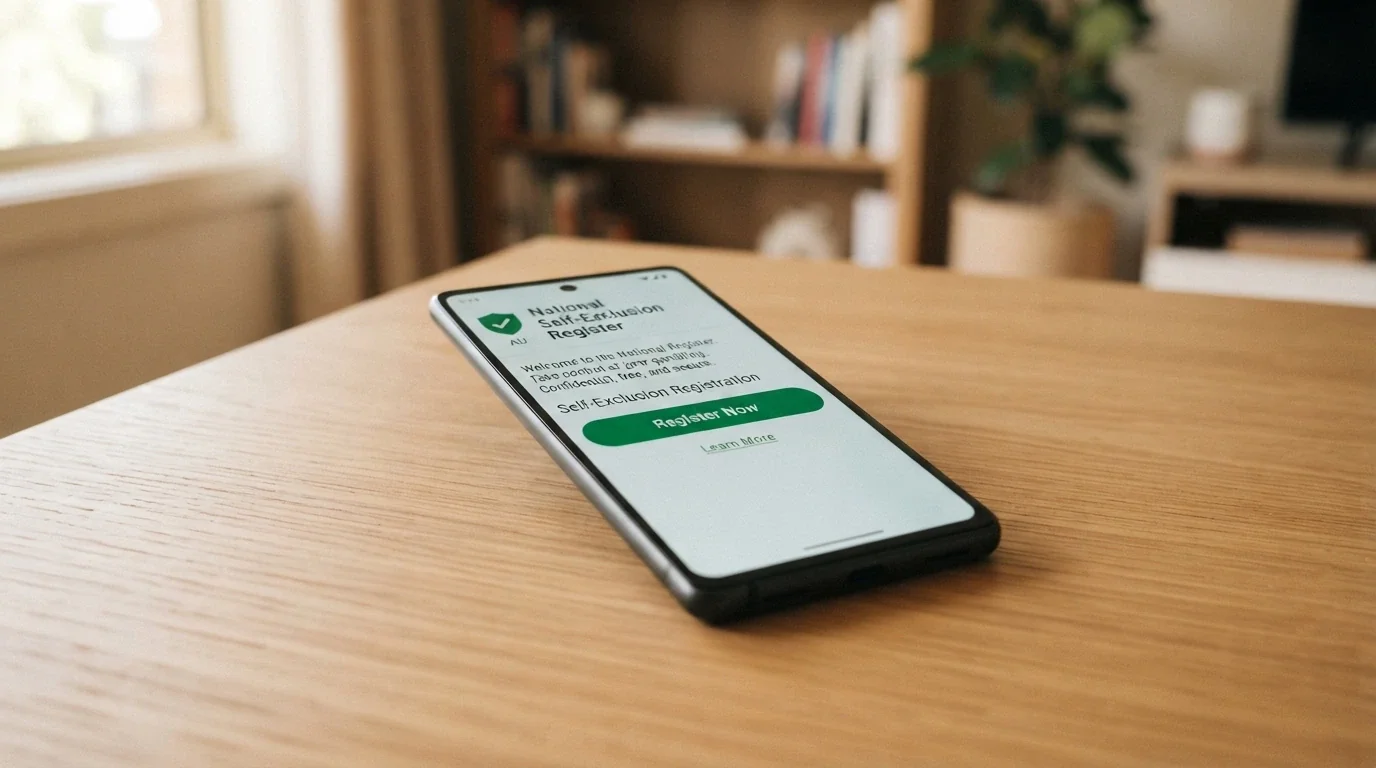
The reason is the architecture of the register. BetStop binds the Australian-licensed operators that are connected to it, and the offshore casinos are not connected to it. A person who registers with BetStop and then signs up at an offshore casino will not be flagged by the casino, will not be blocked from depositing, and will not be asked why they are there. The offshore casino is not subject to the register, has no duty to consult it, and has no incentive to refuse a self-excluded person’s money. The protection the register offers stops at the border of the licensed market.
The awareness gap is the other half of the problem. Only one in three Australian wagerers (33.5%) know that BetStop exists, and around one in four Australian adults (26.5%) are aware of it. The Australian Gambling Research Centre’s estimate is that approximately five million Australians wager each year, including 400,000 high-risk gamblers, and that only 30,000 individuals currently have active BetStop exclusions — a coverage rate of 7.5% of those experiencing severe gambling harms. The gap is not in the register’s coverage of the licensed market, which is essentially complete; the gap is in the register’s reach into the offshore market, which is zero.
The same gap is the one a player using an offshore casino walks into. A licensed wagering operator is required to offer deposit limits, activity statements, take-a-break functionality and BetStop registration; an offshore operator is required to do none of these things, and most of them do not. The licensed market is built around the premise that the player may need to be protected from themselves; the offshore market is built around the premise that the player’s money is the product.
Where to get help: the support an Australian player actually has
The Australian help infrastructure for problem gambling is free, confidential and available around the clock, and it is one of the things the licensed wagering market builds and funds that an offshore casino does not.
The National Gambling Helpline is 1800 858 858 — free, confidential, staffed 24 hours a day, 7 days a week. Gambling Help Online (gamblinghelponline.org.au) provides live chat, email counselling and self-help resources. BetStop (betstop.gov.au) is the self-exclusion register, available to anyone who wants to exclude themselves from licensed wagering providers. The support is independent of the offshore casino industry, and a player who decides to stop using these sites can use the same helpline a player who has never used one can.
The prevalence data makes the case for using the support. The Australian Gambling Research Centre’s 2024 survey of 3,881 adults found that 15% of Australian adults experienced gambling harm in the past twelve months, up from 11% in 2019 — approximately 3 million Australians. About 2.1% of Australian adults, or roughly 430,000 people, experience problem gambling as classified by the standard instruments. The model published in the Journal of Gambling Studies estimates that approximately 3.29 million Australians aged five and over are affected annually by their own or another person’s gambling, and the annual health loss associated with gambling-related harm in Australian adults is estimated at over 400,000 Years Lived with Disability. The gap between the 30,000 active BetStop exclusions and the 400,000 high-risk gamblers is not a gap the offshore market is going to close.
The disparity in harm rates between Indigenous and non-Indigenous Australians is one of the starkest findings in the data: 27.1% of Aboriginal and Torres Strait Islander people are at risk of gambling harm, compared to 14.6% of non-Indigenous Australians. The harm is not evenly distributed, and the support infrastructure exists because the data demanded it.
How We Selected and Evaluated These Casinos
The ten operators in this ranking are the offshore casinos most visible to Australian players searching for 100 free spins no deposit. The selection draws on affiliate aggregator pages (Freeslots99.com, pokies-online-australia.com, Solarpowerbendigo.com.au, spinaud.tech, Laneway Finance, Sharkra.com.au, Casinoa.org, Winpokieslots.com, Keepwhatwin.com, Casipto.com, slotbonuses.info, Rainbet.com, Vip-grinders.com), the ACMA’s published enforcement data, the Australian Gambling Research Centre’s prevalence research, and the operator terms published on each casino’s own site. The evaluation criteria are the presence of an offer accessible to Australian players, the licence status, the wagering terms, the cashout cap, the game-provider quality and the operator’s track record on the data available.
The limitation is the one that frames the whole page. Every operator in the ranking is offshore, and no operator holds an Australian casino licence because no Australian casino licence exists. The Interactive Gambling Act 2001 prohibits the issuance of such a licence. The ranking does not normalise this fact; it states it, because a guide to offshore casinos that does not say they are offshore is not a guide.
No weightings or composite scores are used in the ranking. The order is editorial, based on the relevance of the offer to the “100 free spins no deposit” topic, the AU traffic presence, and the depth of the offer terms research was able to confirm. Where research did not confirm a term (the licence, the welcome bonus, the free-spin count, the wagering multiple, the max cashout, the bonus slot or the spin value), the term is reported as unconfirmed, not filled in from a different source or a plausible default. The gaps in the table are the data’s gaps, not the page’s.
What You Should Actually Do About 100 Free Spins Offers
A player who has read the page this far is in a position to make a decision, and the decision is not between operators. The decision is whether to engage with the offer at all, and on what terms.
The three things the headline “free” conceals are the wagering cost, the cashout cap, and the absence of Australian protection. A 30x wagering requirement on a A$25 win demands A$750 in turnover before a dollar becomes withdrawable; a A$85 max cashout turns a lucky spin into a defined ceiling; an offshore licence means no ACMA recourse, no BetStop coverage and no Australian court that will hear a complaint about a withheld withdrawal. Each of these is a real cost, and the three of them together are the offer the casino is actually making. A player who decides to proceed is making a conscious trade of these three costs against a chance at a capped, wagered, time-limited payout.
If the decision is to proceed, the comparison rule research bears out is the one to apply: a 100-spin offer with 30x wagering and a A$100 cashout cap outranks a 150-spin offer with 50x wagering and a A$50 cap, because the first one has a realistic shot at producing a withdrawable amount and the second does not. Among the operators in this ranking, Rocket Casino carries the most favourable confirmed numbers (30x wagering, A$300 cap, the highest ceiling in the set), Royal Reels and Fair Go carry the cleanest no-deposit offers (genuinely free, no marketing labour, no third-party review), and Bizzo sits in the bracket of small but honest no-deposit packages. The reader is not being pointed at any one of these as a recommended casino. The reader is being given the numbers the page has confirmed, and the comparison the page has shown those numbers support.
The one question to ask before claiming any offshore spin offer is the one the payment-method red flags test answers: would the operator accept a credit card or a crypto deposit from an Australian player? If yes, the operator is outside the Australian licensing regime, and the protections that come with the regime do not apply. The answer does not change whether the offer is worth claiming; it changes what the player gives up by claiming it.
The alternative, for a player who decides the trade is not worth it, is the licensed Australian wagering market. Sportsbet, bet365, Ladbrokes and approximately 50 other operators hold Northern Territory wagering licences and offer the products the IGA permits: pre-event sports and racing wagering, lotteries, keno. None of them offer an online pokie, because no licensed operator can. The product is not the one the offer type discussed here covers, and it is not a substitute for what the offshore casinos sell — but it is a product covered by BetStop, deposit limits, activity statements and the Australian consumer protection framework, and for a player who is reading this page because they are uncertain about whether to engage with the offshore market at all, it is the part of the Australian gambling landscape where the safeguards were built to work.
The Australian Taxation Office’s position on gambling winnings is the one piece of clarity the page can offer that does not depend on the operator chosen: betting and gambling winnings are not assessable income under section 6-5 of the ITAA 1997, and gambling losses are not deductible under section 8-1, unless the person is carrying on a business of betting or gambling. The tax treatment is the same for a win at a licensed bookmaker, a win at an offshore casino, and a win on a no-deposit free spin offer. The question of whether to engage is a question of expected value, of harm risk and of which protections the player wants to keep, not a question of tax.
The page does not pick a single operator for the reader, because a guide to offshore casinos that picks one is a guide that has stopped being a guide. The page gives the reader the comparison, the legal frame, the cost arithmetic and the help infrastructure, and lets the reader decide.
Frequently Asked Questions
Do I need to verify my identity before withdrawing free spin winnings?
Yes. Every offshore casino in the ranking requires KYC — government ID, proof of address and often a selfie or live-chat confirmation — before a withdrawal is processed. The verification typically happens at the cashout step, not at the claim step, which means a player can play through the offer without verifying, and only be asked for documents when they try to withdraw. The documents required are the same ones an Australian bank would ask for to open a savings account. The verification gate is the casino’s leverage over the player, and it is applied late, when the player has the most invested in completing it.
What happens if an offshore casino blocks my withdrawal or closes my account?
The player has no Australian recourse. The ACMA does not have authority to recover a player’s money from an offshore operator, the Australian Financial Complaints Authority cannot hear a complaint against an offshore casino, and Australian small-claims court is an option in principle but the cost of bringing the action is usually more than the amount being recovered. The Curaçao licence the operator holds does not authorise service to Australian players, and does not give the Australian player a complaints channel through the Curaçao regulator. The site’s domain can also be blocked by the ACMA at any time, with a balance still on the player’s account, and the block does not come with a refund mechanism. A player who has a real-money balance at an offshore casino has a balance the operator controls.
When do no-deposit free spins run out and what happens then?
No-deposit spin batches typically expire within 24 to 72 hours of being credited, and the wagering requirement that follows typically gives one to seven days from the point of credit. The two clocks run in parallel. Unused spins are forfeited at expiry, and any winnings tied to those spins are forfeited with them. If the wagering requirement is not cleared inside the wagering window, the bonus balance is forfeited, including any winnings that had accumulated toward the requirement. The expiry is not negotiable, and the operator does not extend it on request. The bonus codes that activate some no-deposit offers typically expire 24 to 72 hours after credit if unused.
What is the maximum amount I can cash out from no-deposit free spin winnings?
It depends on the operator. Confirmed caps in the set are approximately A$85 (Rocket Play no-deposit), A$150 (National Casino), A$180 (Fair Go no-deposit chip) and A$300 (Rocket Casino). A player who wins more than the cap on a single spin, or who accumulates a bonus balance above the cap and clears the wagering requirement, takes home the cap and forfeits the rest. The cap is set by the operator and stated in the bonus terms; the player should confirm the specific cap for the specific offer before playing, because the cap is the single number that decides what the offer is worth in dollar terms.
Do no-deposit free spins in Australia ever pay out real cash?
Yes, in the literal sense: a player who clears the wagering requirement inside the wagering window, with a balance above zero and below the max cashout cap, can withdraw real cash. The amount is small, because the typical no-deposit offer produces a bonus balance of A$5 to A$25 in winnings, the wagering requirement multiplies that by 25x to 60x, and the max cashout cap is A$50 to A$300. A player who withdraws from a no-deposit offer is withdrawing a small amount, after a few days of play, with a high probability of walking away with nothing. The offers pay out real cash, but the expected value of the offer to the player is negative before the spins are played, and the player’s chance of clearing the requirement with a positive balance is small.