
Online Casino Reload Bonuses in Australia: What Every Offer Actually Costs
Verified against operator terms pages and the ACMA register as at 18 October 2026.

Every reload bonus a player in Australia can claim today is offered by an operator with no Australian licence — because no licence exists for online casino games in this country. The Interactive Gambling Act 2001 makes the provision of those games to a person in Australia a federal offence. The offers discussed on this page sit on the other side of that line. That fact decides everything that follows.
The bonuses exist. The marketing reaches Australian inboxes. The regulator’s safety net does not extend to anyone who claims one.
This page ranks ten offshore casinos by reload-offer quality for Australian players in 2026. The ranking weights two figures the marketing tends to bury — the wagering multiple that decides how much turnover the bonus demands, and the maximum cashout ceiling that caps what a player can actually walk away with. The maths behind both is laid out in the section on wagering requirements. The short version: a 35x wagering multiple on a A$200 bonus costs around A$280 in expected loss against a 96% RTP pokie, regardless of the operator’s name on the cashier page.
That figure recurs throughout the page. It is the baseline against which every reload is judged.
Table of Contents
- What a Reload Bonus Actually Is — and Why Casinos Offer Them
- The Best Reload Bonuses We Reviewed for Australian Players — 2026
- Slots, Free Spins and No-Deposit — Which Reload Type Fits You
- PayID Reload Bonuses — How They Work for Australian Players
- Bitcoin and Crypto Reload Bonuses — Higher Match, Different Rules
- Pokies Reloads — Free-Play vs Real-Money Spins
- Why Every Reload Bonus You See Comes from Offshore
- Playing Smart — Limits, Self-Exclusion and What BetStop Actually Covers
- How We Selected and Ranked These Operators
- What the 2026 Reload Bonus Landscape Means for Your Play
- Frequently Asked Questions
What a Reload Bonus Actually Is — and Why Casinos Offer Them
A reload bonus is a deposit match offered to a player who has already used their welcome offer — same basic shape, smaller headline, and a key behavioural purpose. It is the casino’s tool for keeping an existing customer depositing rather than cashing out. Where a welcome bonus is a once-off recruitment incentive, a reload is a recurring retention offer, and operators have tuned the structure accordingly.
How a reload bonus differs from a welcome bonus
The numerical gap is the easiest place to start. Where welcome offers at offshore casinos accepting Australian players commonly land at 100% on the first deposit, reload matches in 2026 typically range between 25% and 75% depending on day, currency and tier. That is not a marketing mistake. The lower ceiling reflects a different job: the welcome offer pays for the acquisition; the reload pays for the continued presence.
The wagering multiple is closer than the match rate suggests. Reload wagering in 2026 sits in the 30x to 40x band — the same range as welcome offers at most of the operators in this comparison. The loyalty play creeps in elsewhere. Higher-tier players may receive reduced wagering on the same reload structure, but the baseline 30x–40x is what a standard-tier player meets at the cashier.
Eligibility is the second tell. A welcome bonus is for new accounts only — one per person, one per household, often one per payment method. A reload is for everyone who has already claimed their welcome and remains active. That is why reloads recur — weekly, midweek, on weekends, sometimes per deposit — and why they reset on a schedule the welcome offer never does.
Welcome bonuses fund acquisition. Reloads fund habit. Casinos put more money into the welcome; they get more reloads out of the habit.
Who reload bonuses are built for
Four player segments keep the reload economy running. The first is the weekly regular — a punter who deposits a set amount every Friday or Monday, claims the recurring offer, plays through, and withdraws if anything is left. For this player the reload is a discount on the next deposit, no more and no less.
The second is the weekend punter. Weekend reloads in 2026 typically carry the highest match rates — 50% to 75% is common, with caps often reaching A$1,000 — because weekends are when recreational players deposit, and the operator is willing to pay a premium to capture that wallet share.
The third is the crypto reloader. Some platforms boost a standard 50% reload to 75% when the player deposits via Bitcoin or PayID rather than a card or bank transfer. The marketing pitches this as a reward for using a faster rail. The operator’s actual reason is that crypto deposits cost them less to process and carry less chargeback risk.
The fourth is the high-tier loyalty member. Reduced wagering for upper-tier players is the quietest perk in the reload economy — it appears in the fine print, not the banner — but for a player depositing enough to qualify, it materially changes what the same match is worth.
The standard terms that come with a reload
Five terms decide what a reload is actually worth. The first is the match percentage and the cap. A 75% reload up to A$1,000 means a A$200 deposit returns A$150 in bonus funds, while a A$1,500 deposit also returns A$1,125 at the ceiling. The same percentage has a different ceiling for different bankrolls.
The second is the wagering multiple. The industry standard in 2026 is 30x to 40x the bonus amount. A 40x reload on a A$200 bonus means A$8,000 in turnover before the bonus converts to withdrawable cash. This figure is the single largest determinant of a reload’s real cost.
The third is the maximum bet while the bonus is active. The standard ceiling is A$5 to A$8 per spin. Exceeding it — even by accident, on a single spin — voids the bonus and any winnings tied to it. This is the rule that punishes a player who has played unrestricted stakes for years and forgets to reset their coin size.
The fourth is the validity window. Reloads in this comparison commonly expire in 5 to 14 days from activation, with a 7-day window being the typical default. The shorter the window, the harder the wagering is to clear at any reasonable session length.
The fifth is game contribution weighting. Most offshore operators weight pokies at 100% — a A$1 spin counts as A$1 toward the wagering requirement — while live games contribute 10% and table games 5%. The implication is straightforward. Clearing a reload bonus on anything other than pokies multiplies the required turnover by ten or twenty. That is by design, not accident.
The Best Reload Bonuses We Reviewed for Australian Players — 2026
The ranking below uses wagering transparency and Australian accessibility as the primary filters. Every operator listed accepts Australian players. None holds an Australian online casino licence, because no such licence exists. The reload model column reflects what each operator actually runs — not what the welcome page headlines, and not what affiliate copy claims.

| Casino | Reload model | Wagering requirement | Max bet while wagering |
|---|---|---|---|
| Skycrown | 10% weekly cashback (Mon, 0x) | 0x | N/A |
| Rocket Play | Two-deposit match | 40x | AU$7.50 |
| Royal Reels | Three-deposit welcome pack | 35x | A$5 |
| WinSpirit | Tiered welcome | 30x–40x | 5 USD (~A$7.50) |
| FairGO | 30 FS (Fu Long Treasures) | 30x | N/A |
| Rainbet | Wager-lock or no-wager | 40x or 0x | 2% of deposit |
| Bizzo Casino | No-deposit offer | 40x | N/A |
| Stake | Rakeback + VIP | N/A | N/A |
| Scream Casino | Not confirmed | N/A | N/A |
| Rakebit | 25% rakeback + sports free bets | 0x rakeback / 10x sports | N/A |
Skycrown — weekly cashback with zero wagering
Skycrown’s signature reload is not a deposit match at all. It is a 10% Monday cashback on net losses from the previous week, up to A$500, with zero wagering. For a punter who lost A$300 across the week, that is A$30 back in real cash the player can withdraw on the spot. Against a 40x wagering deposit match at a competing operator, the cashback route asks for nothing in return.
The welcome context still matters. Skycrown’s headline offer is a four-part package totalling 450% deposit match up to A$8,000 with 400 free spins. Bonus funds carry 40x wagering; free-spin winnings carry 30x. Maximum winnings from any deposit bonus are capped at A$15,000; from free-spin bonuses, A$150. Game contribution weights pokies at 100%, live games at 10% and table games 5%. Minimum qualifying deposit ranges from A$20 on the first tier to A$100 on the high-roller tier.
Skycrown is the operator to use when the player has had a losing week and wants something back without a playthrough. The cashback is the part that does the quiet work.
Rocket Play — traditional match with a tight expiry
Rocket Play runs a two-stage deposit-match structure across the first two deposits: 100% up to AU$1,000 with 100 free spins on the first (minimum AU$30), 200% up to AU$1,000 on the second (minimum AU$75). Wagering is 40x on the bonus and 40x on free-spin winnings, with a maximum win cap of AU$5,000 from bonus funds and a maximum bet of AU$7.50 during play.
The distinctive feature is the clearance window. Rocket Play gives players 5 days to clear the wagering requirement — half what most competitors offer, and the tightest expiry in this comparison. A punter who cannot put in regular sessions during a working week will lose the bonus to the clock before they finish the turnover.
Best suited to a player who deposits and plays through the same day rather than spreading sessions across a week. The short expiry is a structural penalty for the casual punter.
Royal Reels — lowest wagering among the reviewed set
Royal Reels sits at 35x wagering on the bonus amount only — the lowest in this comparison. The welcome pack splits across three deposits for a combined A$2,500 plus 50 free spins: 100% up to A$500 on the first, 75% up to A$750 on the second, 100% up to A$1,250 on the third. Free spins land on a featured pokie at a fixed A$0.20 stake, for an A$10 headline value, with winnings subject to the same 35x playthrough.
The maximum bet during clear-down is A$5 per spin — the tightest ceiling in the comparison. Game weighting is heavily pokies-focused: pokies contribute 100%, table games and live dealer rounds count only 3%. Clearing a Royal Reels bonus on anything other than pokies is a punishing multiplication of the required turnover.
The 35x multiple changes the maths of every deposit. A A$200 deposit matched at 100% produces A$200 in bonus funds and A$7,000 in required turnover. Against a 96% RTP pokie at A$1 average spin, the expected loss across that wagering is around A$280 — close to one-and-a-half times the deposit itself. The full calculation is laid out in the section on wagering requirements.
WinSpirit — flexible wagering and a no-deposit ceiling
WinSpirit runs two welcome tiers and lets the player choose. The first is 200% plus 25 free spins with 40x wagering. The second is 100% up to AU$500 plus 50 free spins with 30x wagering. The default max bet while wagering is 5 USD per spin or game round — roughly A$7.50 — and the default bonus expiry is 7 days.
The no-deposit path carries a withdrawal ceiling of typically 50–100 USD on whatever the player wins from the no-deposit bonus. For a punter testing an operator before committing real funds, the no-deposit bonus is a free trial with a tightly capped upside. Above that ceiling, the funds vanish.
Read the no-deposit ceiling before opting in — it is the constraint that ends the upside before the bonus does.
FairGO — the no-deposit reload specialist
FairGO’s confirmed offer this review cycle is 30 free spins on Fu Long Treasures with no deposit required, 30x wagering on winnings, and a maximum cashout of A$180. The 30x multiple is the lowest wagering requirement on a no-deposit bonus in this comparison — the most player-friendly terms among operators with a similar no-deposit offer.
A traditional deposit-match reload at FairGO was not visible in the current terms page this review. The no-deposit offer is the reload-adjacent value the operator publishes at present, and it stands as the entry point for a punter who wants to test an Australian-facing casino before committing a deposit.
Best for a punter who wants to play for free, with a real-money ceiling and modest wagering. Check the operator’s current terms for a deposit-match reload before depositing.
Rainbet — the wager-lock model and a no-wager alternative
Rainbet offers two reload paths on its welcome package. The first is a Wager Lock 100% match up to $700 at 40x wagering, with a minimum deposit of $30 USD value and a maximum bet rule of 2% of the deposit amount. Slots by Hacksaw, Nolimit, and any game with an RTP over 97.4% are excluded while the promotion is active — Rainbet’s way of stopping the player from grinding the wagering through high-return titles.
The second path is the no-wager bonus, released gradually. There is no playthrough on the released funds; the trade-off is that the bonus arrives in tranches rather than in one go. A 250% package up to $1,750 across three deposits is on the table across both paths; the player picks the structure that suits their tolerance for wagering.
Rainbet also runs a free weekly raffle ticket for a $20,000 prize draw with no deposit required. Smallest entry on the page. Only free shot at a five-figure prize across the comparison.
Know the Hacksaw and Nolimit exclusion before picking the Wager Lock path. Those titles are off the table while the promotion is active.
Bizzo Casino — a no-deposit entry with limited reload visibility
Bizzo’s confirmed offer this cycle is a no-deposit bonus at 40x wagering, valid until 31 December 2026. A dedicated reload bonus was not visible on the operator’s terms page during this review, so the no-deposit offer is the closest reload-adjacent value Bizzo publishes at present.
For a punter testing an operator before committing, Bizzo’s no-deposit bonus is a 40x-wagering trial run with whatever the cashout ceiling turns out to be in the terms. The headline marketing pushes the welcome package. The no-deposit bonus is the quieter path that tells the player whether the casino is worth a deposit.
Claim the no-deposit offer for the trial value and check the terms page for a reload bonus before depositing. The offer rotates.
Stake — the VIP-and-rakeback model
Stake does not run a traditional deposit-match reload. The reward is built into a proprietary VIP system and a rakeback structure — a percentage of every bet returned to the player over time rather than a one-off bonus tied to a deposit. Stake Originals and a deep third-party slot catalogue are the substrate. The retention mechanism is the rake.
For a player whose idea of a reload is a deposit match, Stake is the wrong operator to compare. For a player whose idea of value is the percentage of every bet returned regardless of deposit timing, Stake is the operator the comparison pages tend to leave out. Both framings are valid; the marketing language is the same word.
Pick Stake when rakeback over time matters more than a deposit match in the moment. The reload label does not describe the offer, and that is by design.
Scream Casino — thin reload data, cover what exists
Scream Casino’s reload bonus terms were not visible on the operator’s primary terms page this review cycle. What can be said: the operator is offshore, accessible to Australian players, and running a standard casino product. What cannot be said: the reload offer’s specific match rate, wagering multiple, cap, or validity window.
The honest reading is to treat Scream as a name in this comparison with no reload offer a player can price today, and to check the operator’s current terms page before depositing. The methodology section explains how the absence was treated.
Hold off on a deposit until the reload terms are visible. The operator is in the comparison for completeness, not for a recommended claim.
Rakebit — instant rakeback with zero wagering
Rakebit replaces the deposit-match reload with 25% instant rakeback on every bet, with no wagering on the rakeback itself. For a player who places A$1,000 of bets across a week, A$250 returns in real cash with no playthrough. The maths is the inverse of a deposit match. Instead of a bonus with a cost attached, the player receives a rebate on what they have already spent.
The sportsbook side runs a separate reload. Rakebit offers a $50 free bet every Monday and a $75 free bet every Friday after a qualifying deposit, with odds between 1.6 and 5, a 3-day activation window, and 10x wagering on the free-bet winnings. A daily wheel spins once per 24 hours for 25 free spins.
Best for a high-volume punter whose expected loss per spin is large enough that the rakeback covers it. The 0x wagering on the rakeback is the cleanest line on this page; nothing is multiplied, only returned.
Slots, Free Spins and No-Deposit — Which Reload Type Fits You
Three carriers move the bulk of the reload market in 2026. Each takes a different cut of the same deposit.
| Reload bonus type | Typical match range | Wagering requirement range | Typical validity window |
|---|---|---|---|
| Slot reload (deposit match, slots-only) | 40%–75% | 30x–40x | 7 days |
| Free-spin reload package | 50%–100% + spins | 30x–40x on bonus and winnings | 5–14 days |
| No-deposit reload | — (no deposit) | 30x–40x on winnings | 7–30 days |
Slot reloads — when the match lands on pokies only
A pokies-only reload is a deposit match restricted to slots contribution. The trade-off is sharp. The operator agrees to count 100% of every spin toward the wagering requirement, but only on eligible games. Live games typically count 10%; table games 5%. Any wagering cleared on a non-pokie game is multiplied by ten or twenty.
The reason operators restrict reloads to slots is straightforward arithmetic. Pokies return around 96% on average; live games and table games return closer to 98% or higher, with strategy reducing the house edge further. A reload that allowed full contribution on blackjack would let a player grind through the wagering at near-zero cost. Slots-only contribution is the mechanism that keeps the bonus a losing proposition over the wagering cycle.
Rainbet’s exclusion list — Hacksaw, Nolimit, and any slot with an RTP above 97.4% — is the extreme end of this logic. The operator has calculated that those games return enough that they would let a player clear the wagering cheaply, so they are removed from the eligible pool entirely. The exclusion is the operator’s answer to the player’s arithmetic.
Free-spin reload packages
A free-spin reload bundles a lower deposit match with a fixed number of spins on a featured pokie. The headline value is the cash value of the spins at the fixed stake — Royal Reels’ 50 spins at A$0.20 each read as A$10 — but the wagering is what determines the actual cost.
Rocket Play’s 100 free spins, credited 20 per day across five consecutive days at 40x wagering on the winnings, is a useful benchmark. Skycrown’s 400 free spins across four deposits, at 30x wagering on the winnings with a A$150 maximum cashout, is the ceiling on the FS side. More spins at the same wagering multiple is more bonus to clear, not more value per dollar deposited.
No-deposit reload bonuses — the rarest and smallest type
A no-deposit reload asks the player for nothing up front and pays out the winnings from free spins or a small bonus balance. The catch is structural: a maximum cashout ceiling, typically in the A$100 to A$200 range, and a wagering multiple on the winnings that puts the expected loss above the ceiling.
FairGO’s 30 free spins no-deposit at 30x wagering with a A$180 maximum cashout is the most generous no-deposit offer in this comparison. Bizzo’s no-deposit at 40x is more typical of the market. WinSpirit’s no-deposit path carries a 50–100 USD withdrawal ceiling on winnings — the tightest of the three.
For a player testing an operator, the no-deposit offer is the cheapest way in. For a player expecting to win something substantial, the cashout ceiling is the ceiling to read.
Wagering requirements across reload types — what the multiple really costs
The standard reload wagering multiple in 2026 is 30x to 40x on the bonus amount. The cost is the same on every offer — the only thing that changes is the bonus size and the RTP of the games the player chooses.
On a A$200 deposit with a 100% match at 35x wagering, the bonus is A$200 and the turnover required is A$7,000. Assuming only the bonus amount is wagered, on a 96% RTP pokie at A$1 average spin the expected loss comes to roughly A$280 — a statistical estimate, not a guaranteed outcome for any single player.
The same deposit at 40x — the more common ceiling — produces A$8,000 in turnover and around A$320 in expected loss. The same deposit at 30x — Royal Reels’ reduced wagering on some paths, WinSpirit’s lower tier — produces A$6,000 in turnover and around A$240 in expected loss. The 10x gap between 30x and 40x is roughly A$80 in expected loss on the same A$200 deposit.
Same percentage. Different ceiling. Same maths on the wagering.
This is the point. The wagering multiple is the only figure a player can change by choosing a different offer. The match percentage and the cap are bounded by the operator; the RTP is bounded by the game. The multiplier is the player’s lever. Pick the lowest one available, on the largest bonus the player can realistically clear within the validity window.
PayID Reload Bonuses — How They Work for Australian Players
PayID is a legal Australian deposit rail — a real-time settlement system that links a player’s bank account to a mobile number, email address or ABN, and settles through Osko in most cases within seconds. For a punter in Australia, PayID is one of the legal deposit methods at Australian-licensed wagering operators, alongside debit card, bank transfer and BPAY.

At offshore casinos, PayID is not a legal requirement — those operators fall outside the Interactive Gambling Act’s payment-method rules — but it is a popular rail nonetheless. Some platforms boost a standard 50% reload to 75% when the player deposits via PayID or Bitcoin rather than a card. The bonus is real; the legal status of the operator receiving the deposit is unchanged.
The mechanics are simple. A player chooses PayID at the cashier, enters their PayID identifier (typically a mobile number), and the operator’s Australian bank account receives the funds via Osko. The deposit clears in seconds. The reload match lands in the bonus balance on the same deposit. The 75% match applies in place of the 50% standard.
SpinFred’s weekend reload takes PayID explicitly — eligible payment methods include PayID, POLi, Visa and Mastercard. The 40% match up to A$200 and 35x wagering on slots only apply regardless of which of those methods the player uses, but PayID is one of the four routes in.
Speed matters for one specific scenario. A weekend reload with a Friday-evening cut-off and a Sunday-night expiry — SpinFred runs from 18:00 AEST Friday to 23:59 AEST Sunday — requires a fast deposit on Friday or Saturday to be worth claiming. A PayID deposit clears in time; a card deposit that takes a working day to confirm does not.
For a punter who wants to use PayID at an Australian-licensed wagering operator instead, the legal alternative is to play a sports or racing market — those products are licensed. Casino games are not. PayID works at both. The licence does not.
Bitcoin and Crypto Reload Bonuses — Higher Match, Different Rules
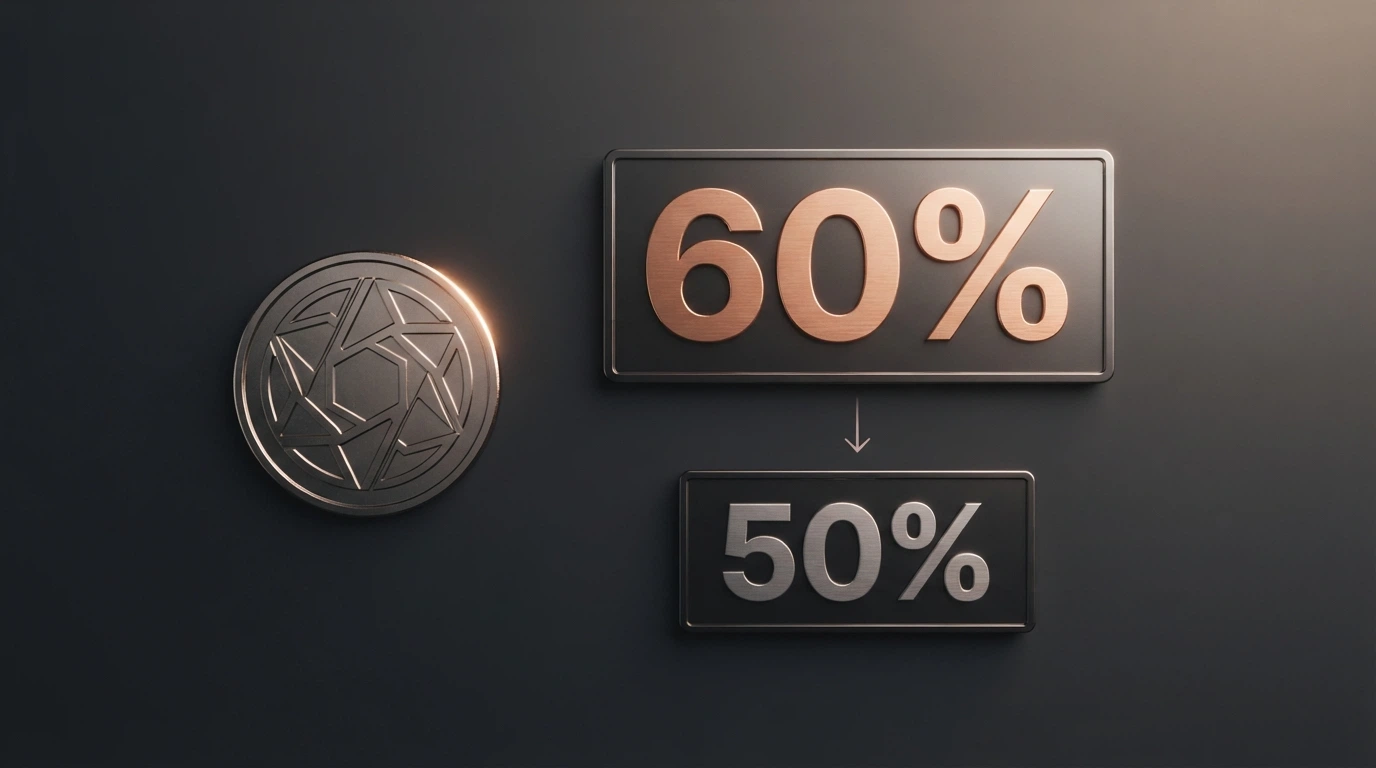
Crypto reloads at offshore casinos routinely carry a 10 to 20 percentage point premium over the fiat equivalent. MalinaCasino’s 60% weekly crypto reload — up to 1,000 USDT (roughly A$1,320), 30x wagering, available Monday to Thursday, maximum release from bonus equal to 10x the initial bonus amount — is the typical crypto reload shape: higher match, weekday window, and a maximum-release clause that limits how much of the bonus can be converted to withdrawable cash.
The premium exists for two reasons. The first is cost: crypto deposits cost the operator nothing in payment-processing fees, so a larger share of the deposit can return as bonus. The second is retention: a crypto-funded player is harder to chargeback than a card-funded player, which lowers the operator’s risk and earns the player a higher match.
The Australian context is different. Since 11 June 2024, credit cards and digital currency have been banned as payment methods for online wagering in Australia — the Interactive Gambling Amendment (Credit and Other Measures) Act 2023 closes the route at Australian-licensed operators. An offshore operator accepting Bitcoin from an Australian player is outside that rule. The ban does not reach them.
What it does mean is that a deposit via Bitcoin from an Australian bank to an offshore casino carries none of the protections a debit-card or PayID deposit to a licensed operator would. A failed transaction, a frozen withdrawal, a closed account — the player has no Australian consumer-law recourse. The premium match is the compensation the operator offers. The absence of protection is what the player pays.
For a punter with crypto already in a wallet, the route is straightforward: deposit at the cashier, claim the crypto reload, clear the wagering. For a punter buying crypto specifically to claim a crypto reload, the premium is small enough that the conversion fees and the volatility risk usually eat it.
Pokies Reloads — Free-Play vs Real-Money Spins
The phrase “pokies reload” covers two distinct experiences. The first is a real-money reload that restricts contribution to pokies — a deposit-match bonus the player can only clear on slot games. The second is a free-play or demo-mode reload, sometimes bundled with a network promotion, that pays out bonus funds or spins without a deposit at all.
The benchmark for the second is Pragmatic Play’s Drops & Wins 2026 — an A$3,400,000 prize pool distributed as 96,900 zero-wagering prizes dropping each week into networked pokies, running until 1 March 2027. Players at participating casinos spin eligible pokies and pick up random prize drops with no wagering requirement on the winnings. The promotion is a free-play overlay on the regular pokie experience. Every real-money spin is also a ticket into the Drops & Wins pool.
The comparison sharpens when the two run side by side. A A$200 deposit at a real-money reload at 35x wagering on slots only produces A$7,000 in turnover and around A$280 in expected loss. The same A$200 spent on a non-reload spin session — without claiming any bonus, just playing the pokie at A$1 average spin — produces around A$8 in expected loss per A$100 wagered, or roughly A$560 over A$7,000 of plain spins.
The reload is cheaper than the unbonused play by roughly half. The reason is the operator’s subsidy: the bonus funds carry a cost the operator absorbs, while the player still plays at the same stake. The reload, when its wagering is realistic, is a discount on the cost of playing.
The catch is validity. A 7-day reload window with 35x wagering on A$200 of bonus requires A$1,000 of turnover per day — about 167 spins at A$6 average — to clear in time. A punter who plays shorter sessions will not finish. A punter who plays longer sessions will. The reload is cheaper than no-reload play only if the player can actually clear it within the window.
Why Every Reload Bonus You See Comes from Offshore
There is no licensed online casino in Australia. That single fact — easily checked against the ACMA register — is the reason every reload bonus on this page sits offshore. The offers are real. The marketing reaches Australian inboxes. The regulator’s safety net does not.
The Interactive Gambling Act — what it actually prohibits
The Interactive Gambling Act 2001, amended in 2017, makes it an offence to provide a prohibited interactive gambling service to a person physically in Australia. The prohibited services are online casino games, online pokies and in-play sports betting. The offence is committed by the operator — the company running the platform and serving the Australian customer — not by the player.
The penalty structure runs from formal warnings through civil penalty proceedings to ISPs being directed to block the offending service. On 16 January 2026 the ACMA issued 8 infringement notices to Tabcorp — each A$19,800, totalling A$158,400 — for providing a prohibited interactive gambling service (in-play betting) in contravention of subsection 15(2A) of the IGA. Tabcorp is an Australian-licensed wagering operator; the breach was an in-play product offering, which is a prohibited service regardless of the operator’s licence status for other wagering products.
The licensed alternative is wagering on races and sporting events placed before the event begins, through operators licensed by a state or territory. The Northern Territory Racing and Wagering Commission is the de facto national licensor for online wagering; licences run for terms of up to 20 years. The licensed operators — Sportsbet, bet365, Ladbrokes, TAB, TABtouch, PointsBet, Neds, Betr, Picklebet, Betfair — hold state or territory wagering licences and do not offer online casino games. No Australian-licensed bookmaker runs a reload bonus on casino games, because the games are not licensed.
ACMA enforcement — 1,788 sites blocked and counting
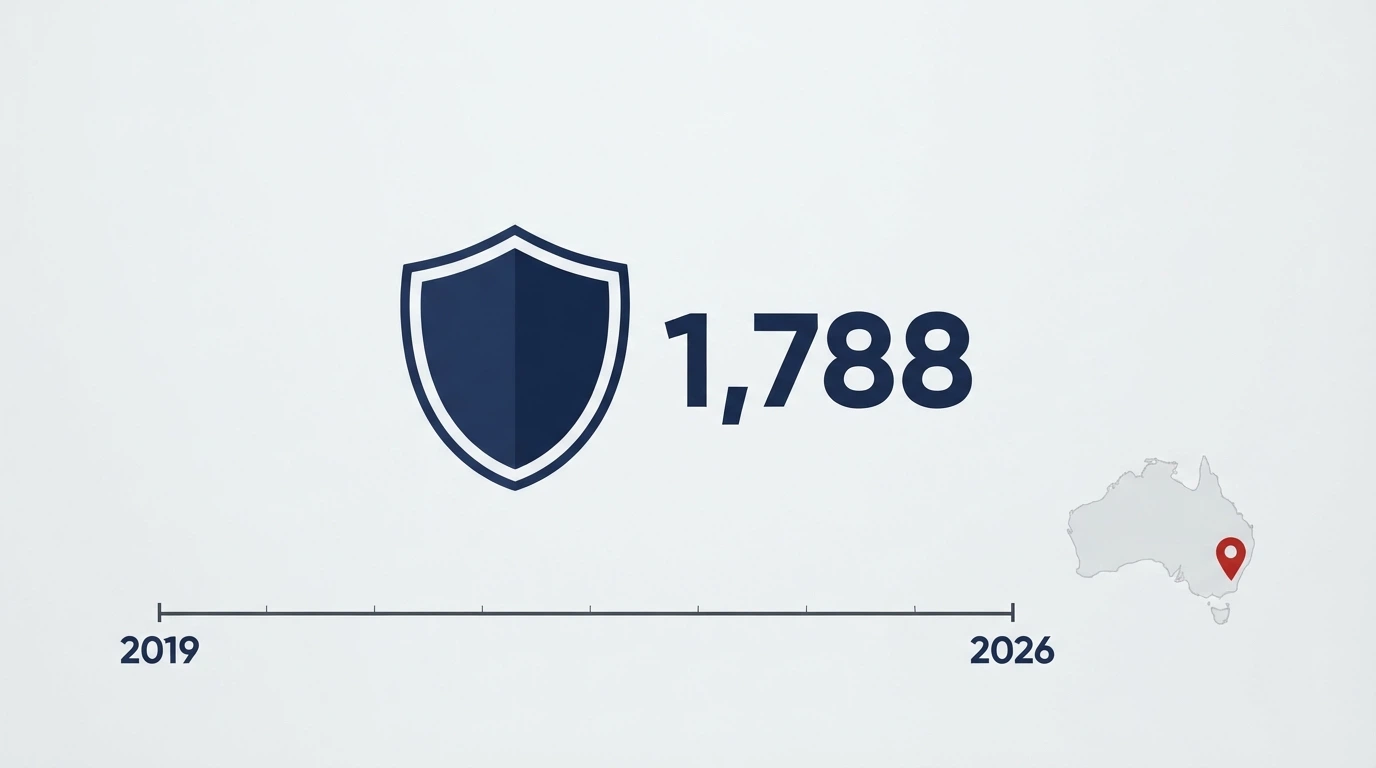
The ACMA made its first blocking request in November 2019. By August 2026, 1,788 illegal gambling and affiliate websites had been blocked at the ISP level in Australia. Over 230 illegal services have withdrawn from the Australian market since the ACMA began enforcing the current rules in 2017.
The blocking record is granular. In the July to September 2025 quarter, the ACMA blocked 71 websites in three months. In June 2026, 12 sites were blocked in a single month — 7Signs, ChromaBet, Donbet, Duospin, Freshbet, Slots Gem, Jacks Club, Lucky Start, Pointsbetz, Spinrise, Vinyl Casino and Wildsino. The pace has not slowed.
From 1 January 2027, banks and payment providers gain express authority to block transactions to illegal gambling operators. The Interactive Gambling Amendment (Gambling Reform) Bill 2026, which passed Parliament on 19 August 2026, gives the financial system a lever the current Act does not. A transaction blocked at the bank does not need an ISP blocking request to stop a deposit from reaching an illegal operator. The number of sites on the ACMA list is expected to grow as the financial blocking powers come online.
What a player gives up by playing offshore
Four protections disappear at the offshore border. These are stated in full here and not repeated elsewhere — see the section on Playing Smart for the practical limits that still exist.
The first is BetStop. Australia’s National Self-Exclusion Register takes a single registration and excludes a person from every Australian-licensed online and phone wagering service. The register binds Australian-licensed operators only. An offshore casino is not connected to BetStop and will keep taking a self-excluded person’s money. This is the most concrete harm of the offshore route.
The second is Australian consumer-law protection. A dispute with an Australian-licensed operator can be taken to the relevant state or territory regulator, or to the Australian Financial Complaints Authority where wagering falls within its scope. An offshore operator is outside all of those mechanisms. A refused withdrawal, a closed account, a voided bonus — the player’s only recourse is the operator’s own complaints process, with the operator as judge.
The third is the federal deposit, loss and stake ceiling — except there is no such ceiling for online gambling in Australia, because the product those ceilings would govern is banned outright. The licensed wagering route has customer-set deposit limits and activity statements under state and territory conditions. The offshore route has whatever the operator chooses to offer.
The fourth is reachability. The 1,788-site blocking list grows each quarter. A site that exists today may be on the ACMA list next quarter. A balance on the site at the moment of blocking is, in practice, unrecoverable — the operator’s domain is unreachable from an Australian IP, and the operator has no obligation to refund. This is the worst-case scenario, but it has happened.
The 2027 reform measures — direct marketing bans for three months after BetStop deregistration, advertising caps, financial blocking powers — strengthen the licensed route without creating one for online casino. The product stays prohibited. The offers stay offshore.
Playing Smart — Limits, Self-Exclusion and What BetStop Actually Covers
The responsible-gambling infrastructure in Australia is real, funded and accessible. What it covers depends entirely on where the player places their bets.

- Set a deposit limit on every account before claiming a reload bonus — the limit applies to deposits, not to bonus wagering, and a reload bonus that doubles the playable balance is not a reason to raise it.
- Register with BetStop if wagering has stopped being fun; one registration excludes the player from every Australian-licensed service in one step.
- Save the National Gambling Helpline (1800 858 858) and Gambling Help Online at gamblinghelponline.org.au before the next session, not after a losing streak.
- Take a self-assessment at Gambling Help Online before claiming a reload; the questionnaire is anonymous and returns an honest risk profile in around ten minutes.
These four steps cost nothing. They protect what an offshore reload bonus cannot.
BetStop — the self-exclusion register that offshore casinos ignore
BetStop is Australia’s strongest single player-protection tool. One registration excludes a person from every Australian-licensed online and phone wagering service. There is no opt-out, no cooling-off, and no way for an Australian-licensed operator to take a deposit from a registered person for the duration of the exclusion. Minimum exclusion period is three months; maximum is lifetime.
The register’s demographic profile skews young. 78% of BetStop registrants were under 40 at the time of registration; 38% chose lifetime exclusion. Of the 67,480 people who had registered by 31 July 2026, 41,290 — more than 60% — still had an active exclusion. The retention rate is the figure that tells the story. Most people who register do not deregister.
The offshore blind spot is the constraint. An offshore casino is not connected to BetStop. The register does not transmit exclusions to operators outside the Australian licensing perimeter. A person who has registered with BetStop and then deposits at an offshore casino has excluded themselves from the licensed route and remained fully exposed to the offshore route. The protection does not extend. It ends at the border.
From 1 January 2027, the 2026 reform strengthens BetStop’s operation and bans direct marketing of inducements for three months after a person deregisters. The reform is on the licensed side. Offshore marketing is already prohibited. What changes is the licensed operator’s obligation.
Practical limits and where to get help
Deposit limits are the most useful tool for a player who is still playing. Setting a weekly or monthly deposit cap before claiming a reload bonus turns the bonus from a retention mechanism into a controlled cost. The cap applies at the cashier. Exceeding it requires a deliberate decision to raise it, which is the moment the player should ask whether they are making a decision or a habit.
The National Gambling Helpline is 1800 858 858 — free, confidential, staffed 24 hours a day. Gambling Help Online at gamblinghelponline.org.au provides chat and email counselling, self-assessment tools and information on state-based services. About 2.1% of Australian adults — roughly 430,000 people — experience problem gambling; the Australian Institute of Health and Welfare put high-risk gambling at 1.8% in 2022. The figures describe the population the help lines exist for.
Winnings are not assessable income and losses are not deductible under the ITAA 1997, sections 6-5 and 8-1 — unless the person is carrying on a business of betting or gambling. For an ordinary punter, the tax treatment is neutral: nothing to declare, nothing to offset. The ATO’s IT 2655 confirms the position. The bonus itself is not a tax event, regardless of the wagering multiple attached.
How We Selected and Ranked These Operators
The ten operators in this ranking were selected from the offshore casinos accessible to Australian players in 2026, filtered by their published reload-bonus terms and their acceptance of Australian-friendly payment methods. The list is not exhaustive — there are more offshore casinos accepting Australian players than are reviewed here — and the ranking is qualitative, not scored.
The first filter was a confirmation that no operator holds an Australian online casino licence. The ACMA register was checked for every name in the shortlist. None returned. The product those licences would cover is prohibited under the Interactive Gambling Act 2001; no such licence exists federally or in any state or territory. Every operator on the list is offshore.
The second filter was wagering transparency. Operators whose reload terms were clearly published — match rate, wagering multiple, max bet, validity window, game contribution weights — were prioritised. Operators whose terms were vague, hidden behind a registration wall, or inconsistent across pages were deprioritised. Fairness, the same metric AustraliaPokies.biz uses to rank these offers, was the single most-weighted criterion.
The third filter was Australian payment-rail support. Operators accepting PayID, POLi or BPAY were noted; operators accepting only card and crypto were noted; operators accepting only crypto were flagged as the highest-friction option. The acceptance of an Australian-friendly rail was not a hard requirement — every operator on the list is offshore and outside Australian payment-method law — but it was a tiebreaker among equals.
Sources consulted: the ACMA register and ACMA investigation notices for the legal frame; the operator’s own terms pages for Skycrown, Rocket Play, Royal Reels, WinSpirit, FairGO, Rainbet, Bizzo, Stake, Rakebit and Scream; AustraliaPokies.biz, CasinoAudit, PlayCasino and SMBtech.au for market context and reload-bonus benchmarks. Where an operator’s reload terms were not visible from a primary source — Scream, Bizzo and FairGO on the deposit-match reload — the gap is named in the operator’s write-up rather than filled with an estimate.
The ranking order reflects qualitative judgement on wagering transparency and reload-offer clarity, not a weighted index. A reader who weights match rate over wagering multiple will rank the list differently. The article’s job is to give the reader the figures to do that ranking themselves.
What the 2026 Reload Bonus Landscape Means for Your Play
No reload bonus discussed on this page is offered by a licensed Australian operator. None can be. Online casino is prohibited under the Interactive Gambling Act 2001; the licence does not exist. The offers are real and the marketing reaches Australian inboxes, but the regulator’s safety net — BetStop, deposit limits, consumer-law recourse, financial blocking from January 2027 — does not extend past the offshore border. A reader claiming any of the bonuses on this page accepts the trade-off that comes with that. The trade-off is real, and it is not refundable.
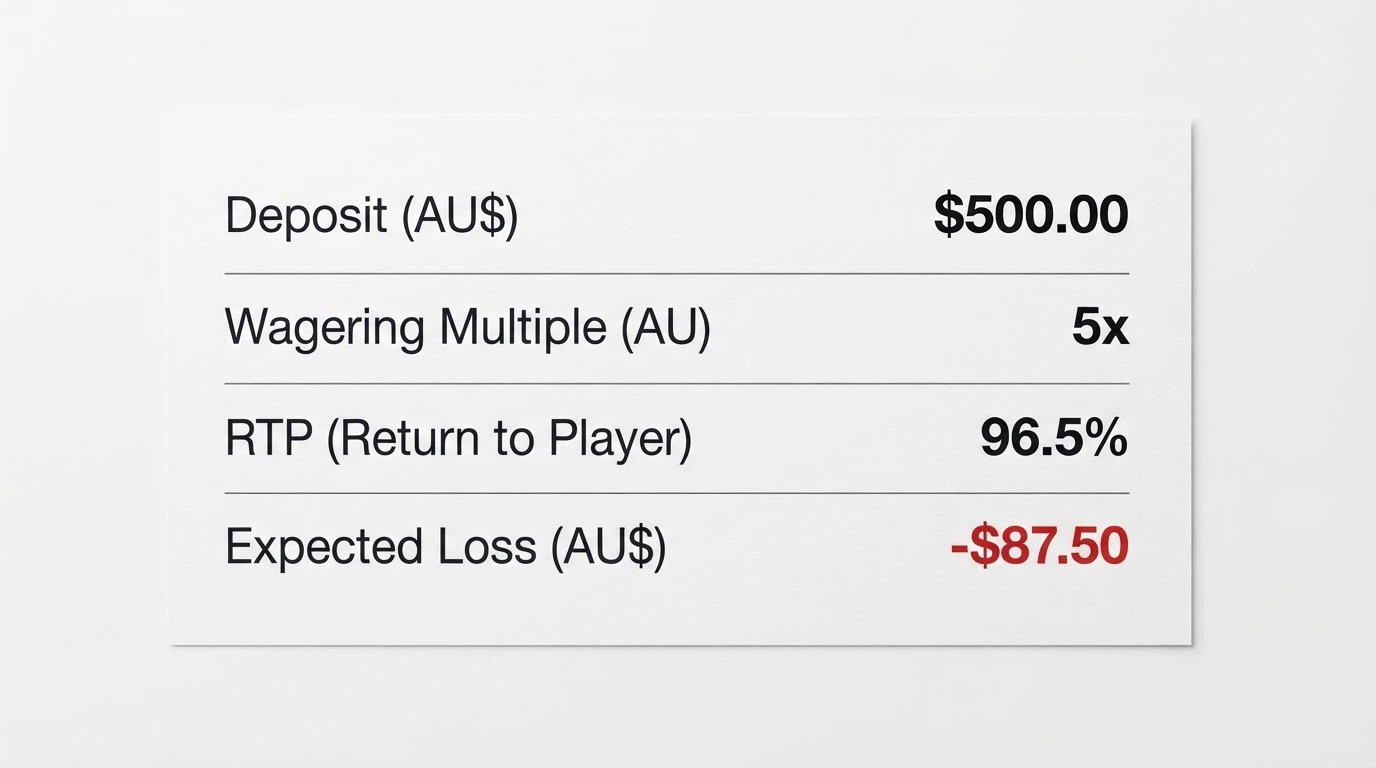
Within the offshore category, the ranking’s central finding is that the wagering multiple is the figure that decides a reload’s real cost. A 35x reload on a A$200 deposit costs around A$280 in expected loss against a 96% RTP pokie. A 40x reload on the same deposit costs around A$320. A 30x reload costs around A$240. The match percentage and the cap change the headline; the wagering multiple changes the cost.
The lowest-wagering offer in the comparison is the rational choice for a player who wants to clear a bonus at the lowest expected loss. Royal Reels at 35x is the cheapest full reload in the ranking. WinSpirit’s 30x tier on the smaller welcome path is cheaper still but caps at a smaller bonus. Skycrown’s 0x-wagering cashback is a different category — it returns a percentage of losses without asking for playthrough — and is the right pick for a player who has had a losing week and wants something back.
Beyond the wagering multiple, the ranking weighs what an offshore player gives up. A refused withdrawal at an offshore casino has no Australian consumer-law remedy. A balance on an offshore site at the moment of an ACMA blocking order is, in practice, unrecoverable. A self-excluded BetStop registration does not transmit to the offshore operator. The offer’s headline cannot price those facts.
The directive is the same as the opening. Read the wagering multiple. Read the max cashout. Read the validity window. Read the game contribution weights. The four figures tell the player everything the marketing does not. Pick the offer with the lowest wagering multiple the player can realistically clear, on the largest bonus the validity window allows, and price the offshore trade-off into the decision before claiming.
The casino always has an edge. The page is what makes the edge visible.
Frequently Asked Questions
Are online casino reload bonuses legal in Australia?
No online casino licence exists in Australia. The Interactive Gambling Act 2001 prohibits providing online casino games to a person in Australia. No licence is available federally or in any state or territory. Every reload bonus available to an Australian player is offered by an offshore operator outside the Australian regulatory perimeter.
What is the maximum cashout from a casino reload bonus?
Maximum cashout caps vary by operator. Skycrown caps deposit-bonus winnings at A$15,000 and free-spin winnings at A$150. Royal Reels caps free-spin value at A$10 with 35x wagering. FairGO’s no-deposit free spins cap cashout at A$180. The cap is always lower than the headline match suggests, and the fine print is the only place it appears.
How long do I have to use a reload bonus before it expires?
Validity windows range from 5 days (Rocket Play) to 14 days (Skycrown). A 7-day window is the typical default for most reload offers. The shorter the window, the harder the wagering is to clear at a reasonable session length. Players who cannot commit regular sessions during the window should not claim a short-expiry reload.
Can I claim a reload bonus using Bitcoin or cryptocurrency from Australia?
Offshore casinos accepting Australian players often accept Bitcoin and other cryptocurrencies, and some boost the reload match when crypto is used — MalinaCasino’s 60% weekly crypto reload is one example. The Australian ban on crypto as payment for online wagering applies to licensed operators, which do not offer casino games anyway.
What happens to my reload bonus if the offshore casino gets blocked in Australia?
ACMA blocking orders direct Australian ISPs to stop resolving the operator’s domain. A balance at the moment of blocking is unrecoverable in practice — no Australian regulator can compel a withdrawal. Players should treat offshore balances as at risk of becoming unreachable.