
Casino Bonus Codes for Australian Players: The Real Cost Behind the Headline
A bonus code unlocks a promotional offer at an online casino — a set of free spins, a deposit match, a small no-deposit teaser — that an ordinary sign-up does not. In every regulated market a reader might name, the operator distributing the code holds a local licence, the offer’s headline number is the worst case for the player, and a regulator watches what happens when a withdrawal is requested. In Australia none of that is true. The Interactive Gambling Act 2001 makes it an offence to provide online casino games to a person in Australia; no licence for online casino exists anywhere in the country, federally or in any state or territory; and every bonus code an Australian punter will encounter unlocks an offer from an operator that sits outside Australian law.
That is the first thing the rest of this page assumes. Reading the next sections without it produces a confusing picture, because every offer on every operator below is an offshore product dressed in Australian marketing. Some use AUD. A few use Australian-themed brand names. None of them hold an Australian licence, because the licence does not exist.
This page is a guide to what those offers really cost, written for a punter who has decided — or is deciding — to use one. It covers the six bonus-code shapes an Australian player actually encounters, ranks the ten offshore operators that hold the largest share of AU-facing traffic, explains the legal architecture that puts every code outside Australian rules, and lists the protections the player forfeits by using one. The numbers and dates come from the Australian Communications and Media Authority, the Australian Institute of Health and Welfare, and the statutes themselves; the operator rankings come from market-share data on AU traffic.
Verified as of 16 October 2026 against the ACMA register and the Interactive Gambling Act 2001.
Table of Contents
- What a Casino Bonus Code Is — and Why Every One You See in Australia Sits Offshore
- Why Your 2026 Casino Bonus Is Smaller Than the Advertised Number
- 10 Offshore Casinos That Offer Bonus Codes to Australians in 2026
- Why There Is No Licensed Online Casino in Australia — and What That Means for Your Bonus Code
- Playing Offshore Means You Hold the Controls: Responsible Gambling for Australian Punters
- How We Selected and Ranked These Operators
- Your Bonus-Code Checklist: What Every Australian Punter Should Do Before Claiming One
- Frequently Asked Questions
What a Casino Bonus Code Is — and Why Every One You See in Australia Sits Offshore
A bonus code is not a discount. It is a key. Enter it at sign-up, on deposit, or in a promotions tab, and the operator’s system credits the account with whatever the code is configured to deliver — a set of free spins on a named pokie, a matched-deposit credit, a small no-deposit cash teaser. The code itself has no monetary value; it is a routing instruction to whatever offer the operator wants to push to that player. Operators issue them because they work. A code turns a generic landing page into a tracked marketing channel, lets an affiliate claim the lead, lets the operator throttle an offer to a specific player segment, and gives the player the impression of having found something the public did not.
In a regulated market the operator behind the code is licensed, the offer has been reviewed by a regulator, and a complaint routes to that regulator if anything goes wrong. The offer’s headline number — “100% up to A$500”, “50 free spins” — is the worst case for the player; the actual cash that lands after the wagering and the cashout cap will be lower, but the operator cannot rewrite the published terms without consequence.
In Australia the operator behind every casino code sits outside the country, holds no Australian licence (none exists), and is breaking Australian law by serving the player. The IGA prohibits the provision of online casino games, online pokies and in-play sports betting to a person in Australia. The ACMA, which enforces the prohibition, has had 1,564 illegal gambling and affiliate websites blocked at the ISP level since November 2019, and more than 225 illegal services have withdrawn from the Australian market since 2017. The Australian player using such a service is not prosecuted — the IGA targets the provider, not the individual — but the consumer protections the player anticipates from a regulated product do not apply. No BetStop coverage, no ACMA complaint recourse, no Australian consumer-law guarantee, no enforced withdrawal promise.
Where do Australian punters find these codes? Three places. First, the operator’s own website — a promotions banner, a homepage pop-up, or the “offers” tab in the account dashboard. Second, affiliate sites that publish curated lists of codes for traffic-share. Third, email and SMS offers sent after sign-up. Every one of those codes routes the player to an offshore operator. That is the consistent feature of the market, and it is the one an Australian punter cannot negotiate around.
The minimum age for any commercial gambling in Australia is 18. Offshore casinos that serve Australians cannot enforce the rule through any Australian database; the player’s age is whatever the documents they upload say it is, and the operator’s only check is whether the documents match. A 17-year-old who can produce a verified identity from a jurisdiction without an Australian ID-match system can pass that check, and that is the register-required offer’s age-control gap. A 17-year-old avoids using these sites entirely, and no marketing line on the operator’s homepage changes that.
Why Your 2026 Casino Bonus Is Smaller Than the Advertised Number
A headline bonus number is a marketing figure, not a payout figure. The real cost of an offer to the player — and the real expected value — sits in three places the marketing rarely visits: the wagering multiple, the game-contribution table, and the maximum cashout. Every code type below produces the same gap between the headline and the wallet, but each does it through a different lever. Knowing which lever to read on a given offer is what separates a player who thinks they got a bargain from one who actually did.
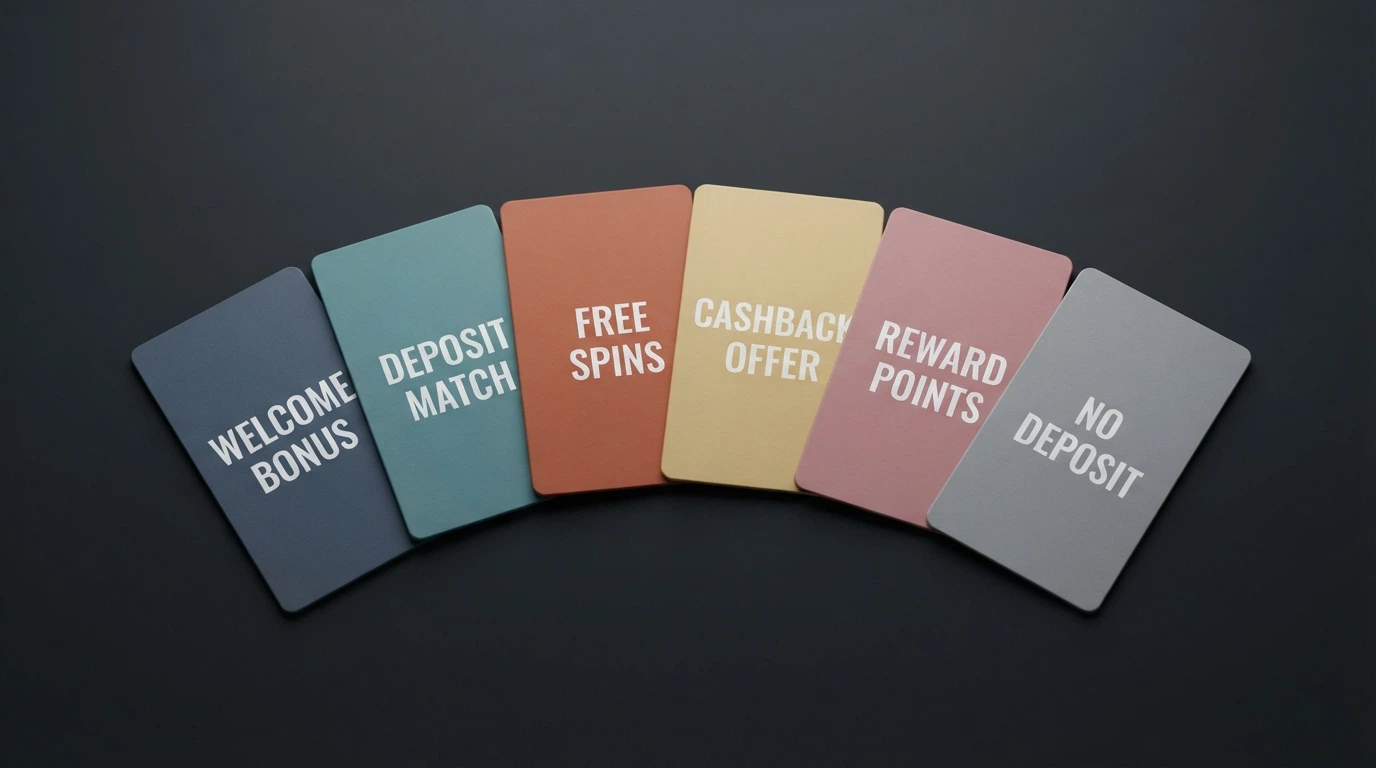
Six code shapes dominate the AU-facing bonus-code market. None is unique to Australia; all are common across offshore-casino markets globally. The differences between them matter because each one spends the player’s bankroll differently and pays out differently. A no-deposit teaser with a tight cashout cap is a structured trial of the site; a deposit-match with a high wagering multiple is a long-running drain on the same bankroll; a free-spins bundle on a single named pokie is a constrained product with a known house edge.
The expected value of any bonus, after the multiple and the contribution table and the cashout cap, is often negative to the player. The house always has an edge, and the bonus is not the operator’s way of giving that edge up. It is the operator’s way of structuring the player’s session time and the games the player plays, in exchange for a marketing figure the player reads as cash. Reading the offer’s terms page is the only way the player can recover what the marketing took away, and the terms page is the file the marketing page was written to keep the player away from.
No-Deposit Bonus Codes: Free Money, but Read the Cashout Cap
A no-deposit code credits the account without requiring a deposit first. The headline is the easiest bonus on the page to understand — the player types a code, the account is credited, and a small amount of bonus cash or free spins is playable. The catch is never the bonus amount; the catch is what happens when the player wins.
No-deposit offers carry two constraints that together turn the offer into a structured trial. First, a maximum cashout cap — a ceiling on how much of the bonus winnings the player can withdraw, regardless of how much they actually won while playing. Caps vary by operator and sometimes by code within the same operator, and the specific figure must be read on the offer’s own terms page; the marketing page never states it prominently. Second, a wagering requirement on the winnings — the bonus amount, or sometimes the winnings derived from it, must be turned over a stated number of times before any withdrawal is permitted. Together, the cap and the multiple turn what looks like a free gift into a brief, low-stakes play session on the operator’s terms.
The right read of a no-deposit code is not “free money”. It is a paid trial. The player gives their time, their email address, often enough personal information to trigger identity verification later, and gets a constrained play session in return. If the offer is generous on the headline and modest on the cap, the operator is buying the player’s data; if the cap is generous and the multiple is low, the operator is buying the player’s attention. Either way the player is the product for the duration of the offer, and the player’s job is to read the cashout cap before typing the code.
Online-Only Bonus Codes: Why the Sign-Up Route Changes the Offer
An online-only code is one the operator does not honour through any other channel — it exists because the player came in through a specific online route, usually the sign-up flow or a tracked affiliate link, and the operator wants to reward that channel separately. The mechanism is identical to any other code; the framing matters because the offer behind it is calibrated to the player’s online behaviour rather than a generic “anyone who walks in” offer.
The player’s trade-off for accepting the online-only framing is concrete. A retail-channel customer has counter staff, a venue to walk into, and a physical business behind the offer; an online-only customer has a support inbox and a payment processor that may sit in a different jurisdiction. The bonus tends to be larger because the operator has lower overhead — no counter staff, no venue costs, no walk-in marketing — but the recourse the player has if a withdrawal is delayed or refused is narrower. The leverage a frustrated player has against an online-only offer is the threat of leaving the platform; a regulated retail operator also has to answer to its regulator.
For an Australian punter specifically, every online-only casino bonus code is by definition an offshore offer. The IGA’s prohibition runs against the provision of online casino games, not against retail casino play; offshore online casinos do not have an Australian retail counterpart. A player accepting an online-only code is accepting the deepest form of the offshore arrangement — no physical venue at all, just a website operating outside Australian rules.
Matched-Deposit Bonus Codes: The Percentage Is Not the Story
A matched-deposit code offers to credit the account with a percentage of whatever the player deposits, up to a stated cap. “100% up to A$500” is the most common form. A player depositing A$500 receives A$500 in bonus funds, playable alongside or alongside-with-restrictions on the real-money deposit. The headline — “double your money” — is the offer’s marketing surface.

The percentage is not the story. Three figures underneath it determine what the offer is actually worth to the player, and the operator rarely puts any of them on the marketing page. First, the wagering or playthrough multiple — how many times the bonus amount, or the bonus plus deposit, must be wagered before any withdrawal is permitted. A 35× multiple on a A$500 bonus is A$17,500 of bets before any withdrawal, and the offer’s headline number does not advertise that figure. Second, the game-contribution table — pokies typically count 100% toward the wagering requirement, table games a fraction or zero, and a few “excluded” titles count for nothing at all. A player who tries to clear a bonus on blackjack may find that every dollar wagered counts as ten cents, turning a “clear in 17,500 bets” requirement into a “clear in 175,000 bets” grind. Third, the maximum cashout on bonus winnings — another cap, this one on the withdrawal, that can be set low enough to make the offer essentially worthless.
The gap between the headline and the wallet is mechanical. A matched-deposit bonus is not a gift to the player; it is a loan of bonus funds on terms the operator sets. The expected value of the bonus, after the multiple and the contribution table and the cashout cap, is often negative to the player. The operator is paying for the player’s session time, not subsidising the player’s bankroll. A 100% match is real value if the multiple is single-digit, the contribution table is broad, and there is no cashout cap; the same headline on a 50× multiple with pokies-only contribution and a small cap is a marketing line sitting on top of a structural loss.
The arithmetic the matched-deposit bonus hides is the house edge working on the bonus amount across the wagering requirement. A pokie with a typical RTP in the mid-90s returns somewhat less than A$100 for every A$100 wagered, and across A$17,500 of turnover the expected loss to the player runs into the hundreds of dollars against a A$500 bonus. The bonus is a structural loss to the player before the player sits down. That is the matched-deposit offer’s actual economics, and it is the same on every offshore casino that runs one.
Register-Required Bonus Codes: The KYC Bargain
A register-required code unlocks its offer only after the player has completed the operator’s sign-up flow — account creation, identity verification, sometimes an initial deposit. The mechanism is the same as any other deposit-triggered code; the difference is the data the operator collects before the offer unlocks.
KYC — Know Your Customer — is the operator’s real asset in a register offer. The player is trading identity documents (passport, driver’s licence, proof of address, sometimes a selfie) for a bonus the operator will, on average, make a structural profit on. The player gives the operator a verified customer profile — name, date of birth, address, payment method — that the operator can use for the lifetime of the account. For an offshore operator that has no Australian licence to verify against, that data is also the operator’s only defence against fraud, chargebacks and multi-accounting. The player gives it; the operator keeps it.
From 1 January 2027, the inducement marketing prohibition in the 2026 reform will ban direct marketing of bonus offers to a customer for 14 days after they sign up with an Australian-licensed operator, and for three months after they deregister from BetStop. The rule binds Australian-licensed wagering services, not offshore casinos — but the same reform gives banks and payment providers the express authority to block transactions to illegal operators, which means the register-required offer at an offshore casino becomes the offer most exposed to a payment-level block. The player who registers, KYC-verifies, and deposits with an Australian bank card at an offshore casino is producing the audit trail the reform was designed to flag.
Free Bonus Codes: Free Spins, Free Cash — and the Strings Attached
A “free” code unlocks an offer the player does not pay for — typically free spins on a named pokie, occasionally free cash credited without a deposit. The word “free” in the marketing is doing the work of obscuring what the offer really is. Free-spin winnings are bonus funds, not cash. They carry a wagering requirement — typically higher than a matched-deposit multiple — and a maximum cashout, often low enough that the player hits it on a single good session and stops. A free-cash teaser has the same structure: small headline, large multiple, low cap.
Free-spin codes are tied to a specific pokie title by the operator. The choice of title is not random. Operators pick games with a published RTP the operator knows, often on the lower end of the studio’s range, and cap the per-spin value (A$0.10 to A$0.50 is the typical band for an offshore casino’s introductory bundle). The player gets 50 free spins at A$0.10 each; the spin value totals A$5 of theoretical play, the player wins perhaps A$3 to A$4 in cash-equivalent bonus funds after variance, and the wagering requirement on those winnings turns A$3 into something the player must turn over 30, 40, sometimes 50 times before withdrawal. The offer’s real cost to the player, expressed in expected loss across the turnover, is the house edge on a pokie the operator chose.
The “free” word does not survive a reading of the offer’s terms page. What it names is a brief, constrained, low-stakes session at a game the operator selected, with a withdrawal ceiling the marketing never states. Reading the offer as a structured trial rather than a gift is what the terms page is for. The headline number is the operator’s; the player reads the small print to find what is actually being offered.
Mobile Casino Bonus Codes: The App-Install Bounty
A mobile code unlocks an offer only when the player installs the operator’s app or enters the code from a mobile browser. The mechanism is a marketing one — the operator wants a permanent slot on the player’s home screen — and the bonus is the bounty the operator pays for it.
The trade for the player is concrete. A push-notification channel the operator owns, a higher session frequency because the app is one tap away, and a payment method the player has stored in the app. For an offshore casino targeting Australia, a mobile code also buys the operator a customer whose preferred access point bypasses the desktop browsers the ACMA’s ISP-level blocking is most effective against — the operator’s mobile site or app can be re-pointed at a new domain faster than the ACMA’s block list catches up.
Device compatibility (iOS, Android) is the visible question; the invisible one is geo-lock. An Australian player installing an offshore casino app is downloading software the operator distributes outside the Google Play and Apple App Store marketplaces, because the official marketplaces prohibit unlicensed gambling apps in the Australian region. The install comes from the operator’s own site, the app is signed by the operator, and the player’s phone trusts it because the player has overridden the marketplace’s own geo-restriction to install it. That is the entry point the mobile bonus code pays for, and the entry point that produces the audit trail Australian banks are being given the power to block from 1 January 2027.
10 Offshore Casinos That Offer Bonus Codes to Australians in 2026
The operators below are the ten offshore casino brands holding the largest share of tracked AU-facing traffic. Every one of them is offshore; every one of them is breaking Australian law by serving Australian players with online casino games; every one of them is a real business with a real product, real money, and a real terms page the player ought to read before depositing.
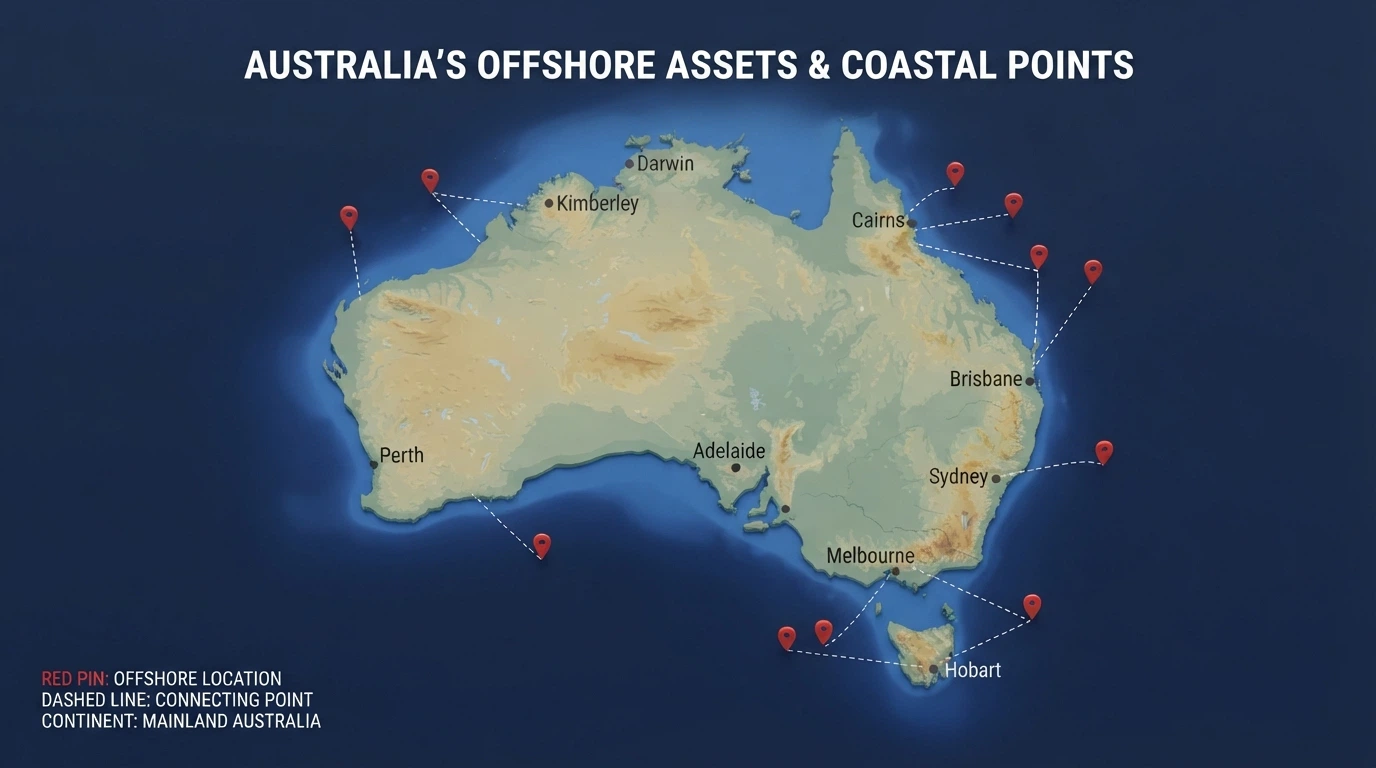
What the comparison below can show is limited, because the operator-specific bonus terms for every featured brand — wagering multiples, cashout caps, free-spin bundles, spin values, RTP figures on the bonus-eligible title — remained unconfirmed from primary sources this run. What the comparison can show, and what the table below shows, is who the operators are and what their licence status is. The reader looking for the headline number on each offer needs to read the operator’s own site at the time of claim, because every figure on every operator page drifts between sign-up campaigns, and a stale number is the single most common way a player misreads an offer.
| Operator | Licence Status |
|---|---|
| Rocket Play | Offshore — no AU licence possible |
| Skycrown | Offshore — no AU licence possible |
| Royal Reels | Offshore — no AU licence possible |
| Stake | Offshore — no AU licence possible |
| WinSpirit | Offshore — no AU licence possible |
| Rainbet | Offshore — no AU licence possible |
| Scream Casino | Offshore — no AU licence possible |
| FairGO | Offshore — no AU licence possible |
| Bizzo Casino | Offshore — no AU licence possible |
| Rocket Casino | Offshore — no AU licence possible |
The table is short because the licence status is identical down the column. What the table does not show is what each operator looks like in practice — the brand position, the payment methods accepted, the shape of the typical bonus code at each, and the small things a player notices after a few sessions. The write-ups below cover those. They are qualitative, not quantitative, because no operator-specific bonus figures could be confirmed for this page.
Bonus Size and Offer Type: What Australian Players Are Actually Offered
The welcome-offer landscape across the AU-facing offshore market runs on three structures, sometimes combined, rarely disclosed in full. The first is a deposit-match code, typically in the 100% to 200% range up to a stated cap, with a wagering requirement attached. The second is a free-spins bundle, tied to one or two named pokies, with a per-spin value and a maximum cashout. The third is a no-deposit teaser, small headline, tight cap, high multiple — a free trial of the operator in every sense.
Comparing the three against each other requires a unit. The headline number is not a unit. A A$5,000 deposit-match at 50× turnover requires A$250,000 of bets before any withdrawal — a number that dwarfs the bonus by two orders of magnitude — and a 50-free-spin bundle at A$0.20 with a A$100 cashout cap tops out at A$100 of withdrawal, regardless of what the player wins. The unit that matters is the expected cash the player walks away with after the wagering requirement and the cashout cap, which depends on the multiple, the contribution table and the cap the offer actually has, and which neither headline captures.
The honest comparison is to read each operator’s own offer at the time of claim, run the same calculation on each (bonus amount times the multiple, then the expected loss on that turnover against the offer’s eligible game’s RTP), and pick the one that leaves the largest expected remainder. Without confirmed per-operator terms, that calculation cannot be done on this page, and any number quoted as if it could would be a number made up.
Wagering Requirements and Expiry: Where a Bonus Code Becomes a Commitment
A wagering requirement — also called a turnover requirement or a playthrough multiple — is the number of times the bonus amount, sometimes the bonus plus the deposit, must be wagered before any withdrawal is permitted. It is the offer’s central constraint, and the offer’s headline rarely states it.
A high multiple with a short validity window is the worst combination the player can accept. A 40× turnover on a A$1,000 bonus is A$40,000 of bets before withdrawal, and at A$1 per spin on a pokie the player needs tens of thousands of spins to clear it. If the offer expires in 7 days, the player must sustain several thousand dollars of turnover per day to clear, a session-load that pushes the player toward higher stakes and longer sessions than they would otherwise choose. That pressure is the mechanism behind most of the problem-gambling patterns the helpline and BetStop were built to catch, and the player who feels the schedule pull should know what is producing it.
Minimum Deposit, Eligible Games and the Pokies-Only Trap
A minimum deposit threshold gates the bonus — under it, the offer does not trigger. Offshore casinos typically set the threshold low enough that almost any deposit qualifies, but not always. The threshold is also where the operator decides what payment methods count; an Australian player using a credit card or crypto is depositing through a method banned under Australian law since 11 June 2024, and the deposit may or may not reach the offer’s trigger.
The eligible-game list is where the matched-deposit offer most often becomes a single-title grind. Most offshore casino bonuses count pokies at 100% toward the wagering requirement and table games at a fraction — sometimes 10%, sometimes zero. A handful of “excluded” titles count for nothing. The “pokies-only trap” is the bonus that restricts eligible play to a single named title, typically a pokie the operator selected because its published RTP is at the lower end of the studio’s range. The player has no choice of game, the wagering requirement is the same, and the expected loss on the turnover is what the house edge on that specific pokie produces.
The Australia-Facing Operator Mix: All Offshore, Zero Licensed
Every operator on this page is offshore. The licensed Australian wagering brands — Sportsbet, TAB, bet365, Ladbrokes, TABtouch — are bookmakers, licensed by state and territory regulators to take wagers on races and sporting events placed before the event begins. They do not offer online casino games. They are not part of the operator set this page ranks.
“Australia-facing” in the offshore-casino market means three things: the operator accepts AUD, the operator markets to Australian players (AU-themed branding, AUD denominations on the bonus page, AU customer-support hours), and the operator’s payment methods include at least one that works from Australia without the operator having to break Australian rules. None of those three features imply an Australian licence. They imply that the operator has decided the AU market is worth the risk of ACMA action.
The wagering licence that does exist — the NT regime administered through the Northern Territory Racing and Wagering Commission — covers wagering on races and sport, not casino games. NT wagering licences run for terms of up to 20 years, the NT regime was reformed in 2026 after criticism of the regulator’s structure, and the operators holding those licences are Sportsbet, bet365, Ladbrokes and similar bookmakers. They are not on this page.
Rocket Play
Rocket Play sits at the top of the AU-facing offshore list by tracked traffic. For an Australian punter that means one thing: more players land on this operator than on any other in the featured set, which is why its bonus-code distribution channels — affiliate pages, email lists, comparison sites — are denser and more visible than anyone else’s. The size of the AU traffic is also the size of the operator’s exposure to ACMA action, which is why a brand this prominent tends to refresh its domains quickly when the ACMA’s block list catches up.
The licence status is what every other column on the comparison table reads: offshore, no Australian casino licence, no such licence available. The brand runs AUD accounts, AU-themed marketing, and a typical offshore welcome package in the deposit-match-plus-free-spins shape. The specific terms on any given Rocket Play bonus code — the multiple, the cap, the eligible games, the validity window — must be read on the operator’s own site at the time of claim, because no two sign-up campaigns run the same numbers.
Rocket Play is the operator most Australian punters land on by accident rather than research, and that is the read the rest of this page starts from. A player who arrives here through an affiliate link will find a familiar offer shape and a familiar offshore T&C stack; a player who arrives here through a search and wants a real read on what the offer costs should treat the headline number as a marketing line and read the small print before typing the code.
Skycrown
Skycrown sits one rung below Rocket Play in the AU-facing traffic ranking, which is the only meaningful difference between the two for an Australian punter choosing where to type a bonus code. Both are offshore, both hold no Australian licence, both run the standard welcome-package shape of deposit match plus free spins, and both must be read on their own terms pages for the wagering multiple, the cashout cap and the validity window.
The question the player comparing Rocket Play and Skycrown has to ask is whether the small traffic-share gap implies a meaningful difference in the offer. It does not. The shape of the welcome package at one is the shape at the other, the eligible-game tables at one track the other, and the audit-trail risk to a player depositing from an Australian bank card is the same at both. The brand name is the only thing that varies; the underlying offer structure is what the AU-facing offshore market ships across the board.
Skycrown is the operator for a player who has decided on an offshore bonus code and wants the second-largest pool of Australian traffic to land in. A player who already has an account at a competitor in the same bracket and is shopping for a marginal improvement will not find one here. A player who is new to the offshore segment will find the same onboarding shape they would find at any operator in the bracket, with AUD on one side and an offshore T&C stack on the other.
Royal Reels
Royal Reels is the third brand in the AU-facing list, and the brand name signals the audience: pokies. The branding positions the operator for a punter who came in through pokie-themed affiliate pages, comparison sites that rank on pokie library size, or search terms that include “pokies” rather than “slots”. A punter who has never used the word “pokies” is not who the brand is written for.
That positioning has a practical consequence for the welcome offer. Offshore operators with a pokie-first brand tend to anchor their welcome package on a free-spin bundle tied to one or two named titles, with a deposit match running alongside rather than as the headline. A punter expecting a 100% match headline will find something smaller, weighted toward the spins, with the match on the page but not as the centrepiece. The terms on both — multiple, cap, eligible games — sit on the operator’s own page and must be read there.
Royal Reels is for the pokies-first punter who already knows what they want to play and wants the welcome package organised around that choice. A punter who prefers table games, live dealer, or anything outside the pokie library will find the welcome package ill-fitted, and the terms page should be the final verification point.
Stake
Stake is the only operator in the featured set with a brand recognition that runs outside the AU-facing offshore segment — it is a globally recognised crypto-casino name with a sportsbook attached. For an Australian punter, that dual identity is the operator’s distinguishing feature: the same account unlocks casino games and a sportsbook, the welcome package runs across both rather than only on the casino side, and the brand has a reputation for paying out withdrawals quickly in the markets where it is regulated.
The Australian reality is that the offshore status is identical to every other operator on the page. Stake holds no Australian licence (none exists), the IGA prohibition applies to the casino product the way it applies to anyone else, and a player depositing from an Australian bank account is exposed to the same payment-trail risk that the credit-card and crypto ban made enforceable from 11 June 2024. The crypto-casino heritage is also a friction point: crypto is one of the two payment methods banned for online wagering in Australia, and a player funding an account with crypto is depositing through a method the Australian rules have explicitly closed.
Stake is the right choice for a punter who would use the sportsbook anyway and wants a single account across casino and sport. A punter who only plays casino games and wants the cleanest legal posture has no advantage to take from Stake over a smaller operator in the bracket; specifically, depositing with crypto provides a clear indicator that the operator is functioning outside Australian legal boundaries.
WinSpirit
WinSpirit sits in the middle of the AU-facing traffic bracket — larger than the bottom three, smaller than the top three. The mid-tier position tends to produce mid-tier welcome packages: a deposit match in the standard range, a free-spins bundle on a named pokie, sometimes a small no-deposit teaser for new sign-ups through tracked affiliate routes. Nothing on the brand reads as either generous or stingy in the abstract; the offer’s actual terms are on the operator’s own page and must be read there.
The practical difference between WinSpirit and a top-three operator is brand recognition and traffic. A player who finds WinSpirit through a search is finding a brand with a smaller affiliate footprint, which usually means a smaller tracked-campaign budget and a less aggressive welcome offer than the top three can afford. The trade is sometimes a tighter eligible-game table, sometimes a lower cashout cap, sometimes a steeper wagering multiple — none of which can be confirmed without the operator’s own current terms page.
WinSpirit is a reasonable second-tier choice for a punter who has decided on an offshore welcome package and wants something other than the two most-trafficked brands. The audit-trail risk is the same as the top three; the welcome terms are likely to be in the same broad band but at the less generous end. Operators of this tier often run promotions that are harder to compare directly, so check the operator’s own site carefully before committing.
Rainbet
Rainbet sits in the lower half of the AU-facing traffic bracket and is the operator whose payment-method mix is the most directly relevant to an Australian punter. Credit cards and crypto are banned as payment for online wagering in Australia under the Interactive Gambling Amendment (Credit and Other Measures) Act 2023, effective 11 June 2024, with penalties of up to A$247,500 for an operator that fails to enforce the ban. A site that asks an Australian player for either is being served by an operator demonstrably outside Australian rules.
Rainbet’s position in the bracket matters less than what the cashier page looks like to an Australian player. If the operator accepts credit cards or crypto from an Australian deposit, the deposit is a violation of the ban by the operator, not the player, but the audit trail is one an Australian bank or payment provider is being given the explicit authority to flag from 1 January 2027. A player who funds an account with a method the Australian rules have closed is producing the trail that the next phase of the reform was designed to catch.
Rainbet is for a punter who has already decided to play offshore and is specifically checking the payment-method list before depositing. The brand itself is mid-tier by traffic, the welcome offer shape is the standard offshore package, and the only read that matters is whether the cashier accepts a method an Australian bank would also accept. If yes, the deposit routes through the Australian banking system; if the cashier offers only credit card and crypto, the operator is sitting outside Australian rules by its own payment page.
Scream Casino
Scream Casino sits in the lower band of the AU-facing traffic bracket. The smaller position produces a smaller marketing footprint, which usually means a smaller bonus budget and a less aggressive welcome package than the top three can run, but it also means a smaller player base, which means a smaller set of public complaints about refused withdrawals and slow payouts for the player to read before signing up. The trade is the standard offshore trade: less generous on the headline, more idiosyncratic on the support side.
The consumer-protection gap at a smaller offshore operator is the same gap that exists at every other operator on this page, plus one. Smaller operators tend to have smaller payment teams, narrower banking relationships, and a higher probability of a withdrawal being delayed because the operator is waiting on its own payment processor rather than its own decision. A punter who tests with a small deposit and withdrawal before committing a larger amount is the punter who catches this gap early; a punter who funds the welcome package on the first deposit and tries to withdraw the winnings is the punter who discovers it later.
Scream Casino is for a punter who has decided to play offshore, has shopped the welcome packages at the top of the bracket, and wants to look at the brands below the top line. The smaller scale is not a deal-breaker; the terms are what the terms are, and the audit-trail risk is the same. The read is to test the withdrawal flow with a small amount before committing to the welcome package, on the operator’s own terms page, at the time of claim.
FairGO
FairGO is the brand name that signals AU-targeting most directly. The pun in the name is unmistakable to an Australian reader, the branding positions the operator for an Australian audience, and the AU-facing traffic at the operator is real rather than incidental. For a punter who has decided to play offshore, the brand name is doing the work the operator wants it to do: making the player feel the operator is closer than the licence status actually is.
The licence status is what every other column on the table reads: offshore, no Australian casino licence, no such licence available. The brand name does not change that. The Australian-themed marketing, the AUD accounts, the AU customer-support hours — none of those are an Australian licence, and none of them bring the operator inside Australian consumer law. A player who deposits at FairGO is depositing at an offshore casino the same way a player at any other operator in the bracket is depositing at an offshore casino.
FairGO is for a punter who finds the AU-themed brand comfortable and wants to play at an offshore casino that markets itself to Australians specifically. The audit-trail risk is the same as the rest of the bracket, the welcome offer shape is the standard offshore package, and the only verification that matters is the operator’s own licence disclosure on its terms page — a section that will name the offshore jurisdiction the operator is licensed in and will not name Australia, because no such licence exists.
Bizzo Casino
Bizzo Casino sits at the lower end of the AU-facing traffic bracket. The position produces a smaller marketing footprint, which tends to mean a smaller welcome-package headline than the top three brands, and a less aggressive sign-up campaign than the bigger operators can afford to run. The eligible-game table, the wagering multiple, and the cashout cap are all on the operator’s own terms page and must be read there; nothing in the brand position suggests they are different in kind from any other offshore package in the bracket.
The standard offshore checks apply at Bizzo Casino the way they apply everywhere else. Verify the payment-method list before depositing. Test the withdrawal with a small amount before committing the welcome package. Read the eligible-game table and the wagering multiple on the operator’s own page, not on an affiliate’s comparison. The brand name does not change what the offer is; the terms page does.
Bizzo Casino is for a punter shopping the bottom of the AU-facing bracket for a smaller welcome-package headline and is comfortable with the standard offshore audit-trail exposure. A punter who has been tempted by the top three and wants to compare against a smaller brand will find the same package shape at a less aggressive headline. The verification work is the same.
Rocket Casino
Rocket Casino is the second brand in the featured set with a name close enough to Rocket Play that an Australian punter searching for one will routinely land on the other. The two operators are not the same business; they are separate brands in the offshore segment, each with its own licence, its own welcome package, and its own terms page. A punter who thinks they have found a familiar brand at a familiar URL has found a different brand than the one they were looking for, and the welcome-package terms at one are not the terms at the other.
The Rocket Casino position in the AU-facing traffic bracket is at the lower end, smaller than Bizzo’s and FairGO’s, and the welcome-package headline tends to be smaller accordingly. The brand’s distinguishing feature, beyond the name confusion, is unremarkable. The eligible-game table, the wagering multiple, the cashout cap — all on the operator’s own terms page, all to be read at the time of claim.
Rocket Casino is for a punter who is browsing the bottom of the bracket for a smaller welcome-package headline and is comfortable with the standard offshore audit-trail exposure. The brand name overlap with Rocket Play is a navigation problem the punter should be aware of, not a reason to assume the two brands are connected. They are not. The verification work is the same as the rest of the bracket: the operator’s own terms page, at the time of claim.
Why There Is No Licensed Online Casino in Australia — and What That Means for Your Bonus Code
The legal reality is short: there is no licensed online casino in Australia to anchor to. The Interactive Gambling Act 2001 prohibits the provision of online casino games to a person in Australia. The ACMA enforces the prohibition and has had 1,564 illegal gambling and affiliate websites blocked at the ISP level since November 2019. More than 225 illegal services have withdrawn from the Australian market since 2017. The individual player is not prosecuted — the IGA targets the provider, not the user — but the consumer protections the player would expect from a regulated product do not apply to the offshore operators on this page.
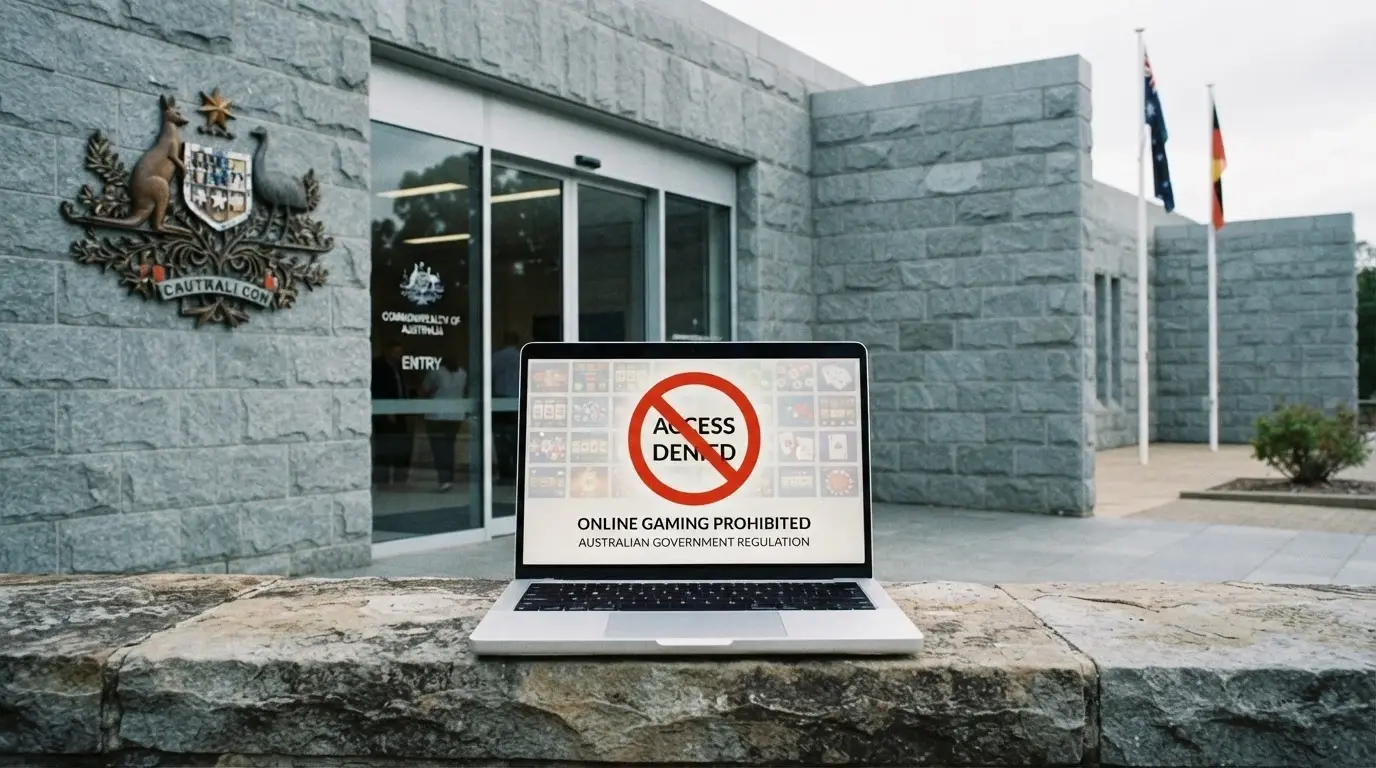
A page about “the best licensed online casinos in Australia” is describing something that does not exist. The phrase appears on affiliate sites across the search-results page. The licensed Australian wagering brands — Sportsbet, TAB, bet365, Ladbrokes — are bookmakers, licensed to take pre-event wagers on races and sport, not casino games. They do not appear here. The casino products on this page are all offshore, all unlicensed in Australia, all serving Australian players under the prohibition.
What the player forfeits by using one is the subject of the rest of this section. Every operator on this page is bound by their own house rules, the operator’s own jurisdiction, and the operator’s own payment processor’s terms — none of which include an Australian regulator, an Australian dispute resolution body, or an Australian consumer-law guarantee. The forfeiture is invisible until a withdrawal is refused, a bonus is voided, or an account is closed. Then it is the only thing the player notices.
The IGA and the ACMA: Who Decides What Is Legal
The Interactive Gambling Act 2001 is the federal statute that makes it an offence to provide online casino games, online pokies and in-play sports betting to a person in Australia. The 2017 amendment to the IGA closed offshore loopholes and gave the ACMA formal enforcement and site-blocking powers, including the ability to direct Australian ISPs to block illegal gambling and affiliate websites.
The ACMA — the Australian Communications and Media Authority — is the federal regulator that enforces the online prohibition. It investigates complaints, issues formal warnings and civil penalty proceedings, refers operators for enforcement, and maintains the block list that has reached 1,564 illegal sites since the first blocking request in November 2019. The ACMA’s power is targeted at the provider, not the player, and its enforcement record is the offshore market’s clearest signal of how seriously the prohibition is treated.
The 2017 amendment was the moment the prohibition gained real teeth. Before it, offshore operators served Australia with limited domestic consequence; after it, the ACMA’s block list grew from zero to 1,564 in roughly seven years, and more than 225 illegal services withdrew from the Australian market rather than face the new enforcement regime. The pattern is one of the regulator catching up to the market, year by year, with the offshore brands adapting their domain strategy each time.
What the IGA Prohibits — and What It Does Not
The IGA draws a line. Online casino games, online pokies, and in-play betting on a sporting event once it has started are all prohibited. Pre-event wagering on races and sport, lotteries, and keno are permitted and licensable through state and territory regulators.
The distinction matters because it stops a punter from confusing a TAB bonus with a casino bonus code. A TAB account is a licensed product: pre-event wagers, AUD on the same side as Australian consumer law, BetStop coverage, ACMA complaint recourse. A casino bonus code at an offshore operator is none of those things. The licensed wagering brand has a regulator; the offshore casino has a terms page.
The wagering licence that exists — the NT regime administered through the Northern Territory Racing and Wagering Commission — is the de facto national wagering licensor. NT licences run for terms of up to 20 years, the NT regime was reformed in 2026 after criticism of the regulator’s structure, and the operators holding those licences are bookmakers, not casinos. The minimum age for any commercial gambling in Australia is 18. Land-based casinos (Crown, The Star and others) exist and are state-licensed, but that licence is not the licence under which any online casino operates, and no online casino licence exists anywhere in the country.
How Offshore Casinos Operate in the Australian Market
The IGA targets the provider, not the player. That asymmetry is the operational fact every offshore casino serving Australia is built on: the operator can be blocked, fined, or pursued by the ACMA, but the Australian punter using the site faces no prosecution. The operator takes the regulatory risk; the player takes the consumer-protection loss.
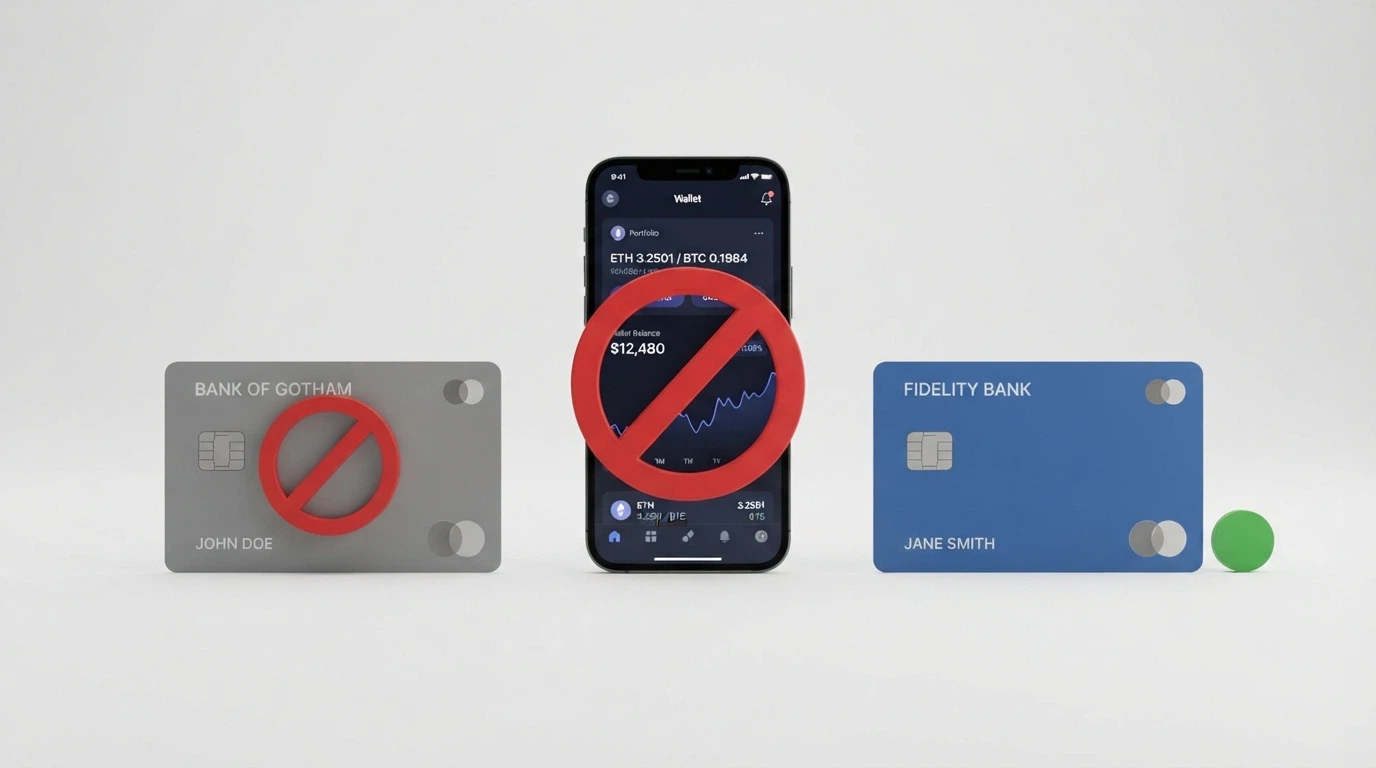
The result is a market where offshore casinos serve Australian players openly. AUD accounts. AU-themed branding. AUD denominations on the bonus page. AU customer-support hours. AU payment methods where the operator can arrange them. None of those features imply an Australian licence; they imply that the operator has decided the AU market is worth the risk of ACMA action. The branding works because it feels local; the licence status is what the IGA prohibits.
The credit-card and crypto ban effective from 11 June 2024 is the cleanest signal. An Australian who is asked for a credit card or a crypto deposit by a gambling site is being served by someone outside the Australian rules. The payment method is itself a tell. An operator that fails to enforce the ban faces penalties of up to A$247,500, and from 1 January 2027 the 2026 reform gives banks and payment providers the express authority to block transactions to illegal gambling operators — the next escalation in the same enforcement regime that produced the 1,564-site block list.
What You Lose When You Play Offshore
The protections an Australian player at an offshore casino gives up are real, even though the forfeiture is invisible until something goes wrong. BetStop — the National Self-Exclusion Register, live since August 2023 — does not cover offshore casinos. One BetStop registration excludes a punter from every Australian-licensed online and phone wagering service, but an offshore casino is not connected to the register. The self-exclusion tool the operator’s own site offers is voluntary, single-operator, and not enforceable through any Australian body.
The ACMA’s complaint process is similarly out of reach. A punter at an offshore casino who has a withdrawal refused, a bonus voided, or an account closed has no Australian regulator to write to. The dispute resolution process runs through the operator’s own terms, the operator’s own jurisdiction, and the operator’s own payment processor’s complaints procedure — none of which an Australian consumer-law guarantee reaches.
The ACMA’s site-blocking programme is the final loss. A blocked site can take a player’s account balance with it when the domain is redirected, the operator re-platforms to a new domain, or the operator withdraws from the Australian market entirely. More than 225 illegal services have withdrawn from the Australian market since 2017; the players with balances on those services at the moment of withdrawal are the players who learned the cost of the consumer-protection forfeiture the hard way.
| Protection | Australian-Licensed Wagering | Offshore Casino |
|---|---|---|
| BetStop coverage | Yes — one registration excludes from every AU-licensed wagering service | No — operator’s own self-exclusion is voluntary and single-brand |
| ACMA complaint recourse | Yes — formal complaints process through the federal regulator | No — disputes run through the operator’s own terms and the operator’s own jurisdiction |
| Australian consumer-law protection | Yes — Australian Consumer Law applies | No — operator sits outside Australian consumer law |
| Withdrawal guarantee | Enforceable through the regulator | None — site can withdraw, be blocked or close, balance goes with it |
| Dispute resolution body | Available through the regulator and Australian courts | Operator’s own jurisdiction only |
| Site-blocking risk | None — licensed operator is not blocked | Real — 1,564 sites blocked since November 2019, 225+ services withdrawn |
The table is the comparison a punter should hold in mind when reading the rest of this page. The right-hand column is what every bonus code on this page offers. The left-hand column is what the player forfeits by accepting it.
Playing Offshore Means You Hold the Controls: Responsible Gambling for Australian Punters
Without a licensed operator’s mandatory responsible-gambling infrastructure, the player carries the whole load. The deposit-limit tools, the self-exclusion registers, the time-out features, the activity-statement audits that a licensed wagering operator must provide under Australian rules are all voluntary at an offshore casino, and the player is the only one enforcing them.

That is the most important thing the responsible-gambling section of this page says. The National Gambling Helpline exists, the BetStop register exists, the Gambling Help Online chat exists — all of it free, all of it confidential, all of it staffed 24 hours a day. None of it is connected to the offshore casinos on this page. Relying on an offshore service carries significant risk, and any decision to use one should be made with a full understanding of the absence of Australian consumer safeguards.
Deposit Limits and Self-Exclusion: What Offshore Casinos Offer vs What BetStop Covers
BetStop is the gold standard. One registration excludes a punter from every Australian-licensed online and phone wagering service. As at 31 July 2026 the register held 67,480 registrations, of which 41,290 exclusions were still active — more than 60% of everyone who ever registered. Seventy-eight per cent of registrants were under 40, and 38% chose lifetime exclusion. The register binds Australian-licensed wagering services only; an offshore casino is not connected to it.
The deposit-limit and self-exclusion tools an offshore casino offers are a different product. They are voluntary, single-operator, and not enforceable through any Australian body. A punter who sets a deposit limit at an offshore casino is trusting the casino to honour it; a punter who self-excludes at an offshore casino is trusting the casino to lock the account, neither of which an Australian regulator can back up. A punter who wants BetStop-style coverage has to use the BetStop register itself, and BetStop does not reach a single operator on this page.
The right read is to set the offshore casino’s voluntary tools as a backstop, not a primary defence. The primary defence is the punter’s own decision to stop, supported by the helpline (1800 858 858) and the Gambling Help Online chat when the decision gets harder to hold.
Recognising the Signs: When a Bonus Code Stops Being a Bargain
Problem gambling is measured, not anecdotal. About 2.1% of Australian adults — roughly 430,000 people — experience problem gambling, and the Australian Institute of Health and Welfare put high-risk gambling at 1.8% in 2022. Bonus codes are designed to accelerate play: time-limited, turnover-gated, structured to produce the session length and stake pattern the operator wants.
The behavioural signs are not subtle when they appear. Chasing losses — increasing stakes to recover what was lost. Betting beyond means — funding the next session with money allocated for something else. Hiding play — clearing browser history, hiding statements, declining to discuss the account. The structural link between bonus codes (time-limited, turnover-gated) and problem-gambling triggers (longer sessions, higher stakes, repeated deposits) is the mechanism the helpline was built to catch.
A punter who notices the signs in themselves has the help-line number. A punter who notices them in someone else has the same number, and the Gambling Help Online chat, and the family-support services that operate state-by-state. The number is free. The chat is confidential. The decision to call is the only one that has to be made alone.
Where Australians Get Help: Helpline, Chat and Counselling
The National Gambling Helpline is 1800 858 858 — free, confidential, staffed 24 hours a day, 7 days a week. The line routes to the state- or territory-specific counselling service and to a counsellor who can talk through what is happening in the caller’s situation, what the next steps look like, and what the practical options are. The line is staffed by people whose job is to listen and to point the caller at the right service, not to judge.
Gambling Help Online (gamblinghelponline.org.au) is the online equivalent. Live chat, self-assessment tools, structured counselling programs, and a directory of state-based services for face-to-face support. The site is free, the chat is anonymous, and the self-assessment is the same one the helpline uses to triage callers.
State-based services sit behind both. Each state runs its own counselling service, face-to-face and over the phone, and the helpline routes to the right one. What to expect when you reach out: a conversation, not a script. A plan, not a referral. A next step the caller controls.
How We Selected and Ranked These Operators
The ten operators on this page are the offshore casino brands holding the largest share of tracked AU-facing traffic. The selection was made on the basis of market-share data for the AU market, the AU regulatory backbone (the Interactive Gambling Act 2001 and its 2017 amendment, the ACMA’s enforcement record, the 2026 reform and its 1 January 2027 commencement), and the legal-status check — every operator verified against the IGA prohibition and the absence of an Australian online casino licence, which is the anchor check for every brand on the page.
The criteria for the ranking were market presence among AU-facing offshore casinos and the legal-status check. What the ranking could not rank on this run was operator-specific bonus terms, because no wagering multiple, cashout cap, free-spin bundle, spin value, or bonus-eligible-game RTP for any of the ten operators could be confirmed from primary sources. The reader looking for the headline number on a specific operator’s welcome package needs to read the operator’s own site at the time of claim, because every figure on every operator page drifts between sign-up campaigns and a stale number is the most common way a player misreads an offer.
The licence status is identical down the column — every operator is offshore, every operator holds no Australian casino licence, no such licence exists. The market-share ranking reflects traffic, not offer quality, and a larger traffic share does not imply a more generous welcome package. No operator-specific bonus data was available for this page; every welcome-package figure on every operator page must be verified directly.
Your Bonus-Code Checklist: What Every Australian Punter Should Do Before Claiming One
The page has given the facts. The checklist turns them into a decision the player controls.
- Verify the operator’s licence. If the operator claims an Australian licence for online casino, the claim is false — no such licence exists. The operator will name its offshore jurisdiction on the terms page; read it.
- Check the payment method. A credit card or a crypto deposit is a payment method banned under Australian law since 11 June 2024. A site that asks for either is outside Australian rules, and an Australian bank or payment provider is being given the authority to block the transaction from 1 January 2027.
- Read the cashout cap and the wagering multiple before depositing. The headline number is the marketing figure; the cap and the multiple are the offer’s real economics. The terms page is where both live.
- Test the withdrawal process with a small amount first. A punter who has withdrawn once at the operator knows the operator pays; a punter who has not is guessing.
- Know that BetStop does not cover you here. The register binds Australian-licensed wagering services only; the offshore operator on this page is not connected. The voluntary self-exclusion tool on the operator’s site is single-brand and not enforceable through any Australian body.
- Keep the helpline number. 1800 858 858 is free, confidential and staffed 24 hours a day. Gambling Help Online is gamblinghelponline.org.au. A punter who notices the signs in themselves — chasing losses, betting beyond means, hiding play — has the line. A punter who notices them in someone else has the same line.
The last item on the checklist is the reader’s to tick. The rest of the page is what produces it.
Frequently Asked Questions
What payment methods can I use to deposit with a casino bonus code in Australia since the credit card ban?
Credit cards, credit-related products and crypto are banned as payment for online wagering in Australia since 11 June 2024 under the Interactive Gambling Amendment (Credit and Other Measures) Act 2023. Operators that fail to enforce the ban face penalties of up to A$247,500. An offshore casino accepting either from an Australian player is demonstrably outside Australian rules. From 1 January 2027, banks and payment providers gain express authority to block these transactions.
Does BetStop self-exclusion cover offshore online casinos that offer bonus codes to Australians?
No. BetStop, the National Self-Exclusion Register, binds Australian-licensed wagering services only. One registration excludes a punter from every AU-licensed online and phone wagering service, but offshore casinos are not connected. As at 31 July 2026 the register held 67,480 registrations, of which 41,290 exclusions were still active.
What is the maximum I can cash out from a no-deposit bonus code at an Australian-facing casino?
The cashout cap on a no-deposit bonus varies by operator and sometimes by code within the same operator, and the specific figure must be read on the offer’s own terms page. The marketing page never states it prominently. No per-operator cap could be confirmed for this page; check the offer’s terms at the time of claim.
Will the 2026 gambling reform affect casino bonus codes available to Australian players?
The Interactive Gambling Amendment (Gambling Reform) Bill 2026 passed Parliament on 19 August 2026, with measures commencing 1 January 2027. Key changes include: inducement marketing prohibited 14 days after sign-up with an Australian-licensed operator, and banks gaining express authority to block transactions to illegal operators. The rules bind AU-licensed services; offshore casinos operate outside them.
Are casino bonus winnings taxable in Australia?
No, not for an ordinary punter. Under section 6-5 of the ITAA 1997, betting and gambling winnings are not assessable income. Under section 8-1, gambling losses are not deductible, unless the punter is carrying on a business of gambling. The treatment is the same offshore as at a licensed Australian operator for a recreational player.